
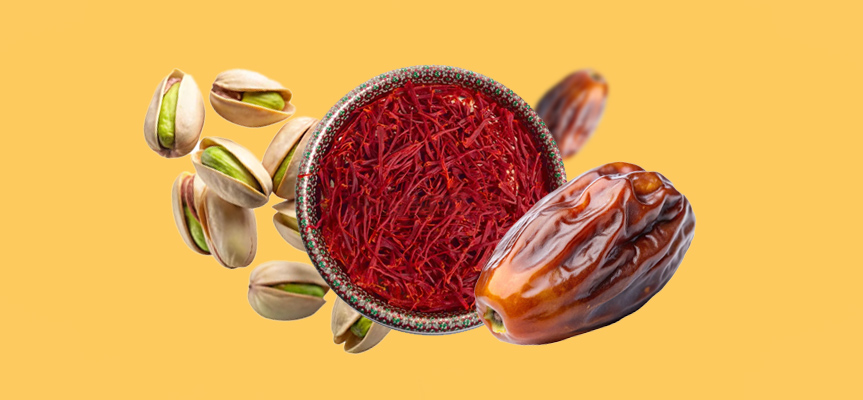
Best-Selling Agricultural Products in Iran
Agriculture in Iran is deeply rooted in the history and culture of this land and, as one of the main pillars of the economy, plays an unparalleled role in meeting domestic needs and strengthening international trade. Iran’s climatic diversity from the mountainous Alborz regions to the warm southern plains enables the cultivation of a wide variety of products. Saffron, pistachios, dates, dried fruits, and medicinal herbs are among the products that are not only popular in domestic markets but also renowned globally. This article provides a detailed examination of Iran’s best-selling agricultural products, the role of agricultural startups in transforming this industry, the existing challenges, and the opportunities ahead.
The Importance of Agriculture in Iran’s Economy
Agriculture in Iran goes beyond being merely an economic activity or a means of self-sufficiency. This industry has helped reduce unemployment rates and improve livelihoods by creating job opportunities for millions of people in both rural and urban areas. Iranian agricultural products, especially those offered in global markets, represent an important source of foreign currency income. The development of business economy in this sector has become possible through investment in modern technologies and improvement of infrastructure. Moreover, Iranian agriculture supports the growth of other economic sectors by providing raw materials for the food, pharmaceutical, and cosmetics industries. However, maintaining this position increasingly demands attention to sustainable development and natural resource management.
Saffron: Iran’s Red Gold and Pride
Saffron, the most expensive spice in the world, is recognized as one of Iran’s most important agricultural products. Iran leads the global market by producing over 90% of the world’s saffron. The eastern regions of the country, particularly Razavi and Southern Khorasan, serve as the main cultivation centers due to their suitable climatic conditions. Exporting saffron to countries like Spain, the United Arab Emirates, and India generates significant revenue for Iran’s economy.
Saffron’s medicinal properties, unique coloring, and flavor make it widely used in the food, pharmaceutical, and cosmetics industries. However, competition from emerging countries like Afghanistan and the need for strong branding are challenges that must be addressed through standardization and professional marketing. Startups in the food and beverage industry, by offering creative packaging and online sales platforms, have helped elevate the position of Iranian saffron.
Pistachios: A Product with Global Fame
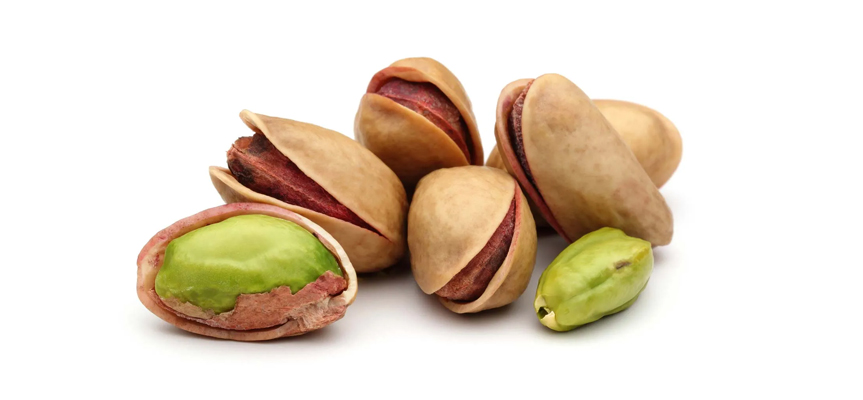
Iranian pistachios, especially those produced in the Kerman and Yazd regions, are among the best-selling export agricultural products due to their excellent quality and variety. This product enjoys high demand in markets such as the United States, Europe, and China, and is recognized as one of the symbols of Iranian agriculture. Startups developing the dried fruit and nut sector, by introducing modern processing and packaging methods, have increased the added value of this product.
However, challenges such as water scarcity, climate change, and agricultural pests threaten pistachio production. The use of drip irrigation technologies and smart farm management can help mitigate these issues. The market development strategy for pistachios includes identifying new markets in East Asia and Africa, which have high growth potential.
Dates: Natural Sweetness with Export Potential
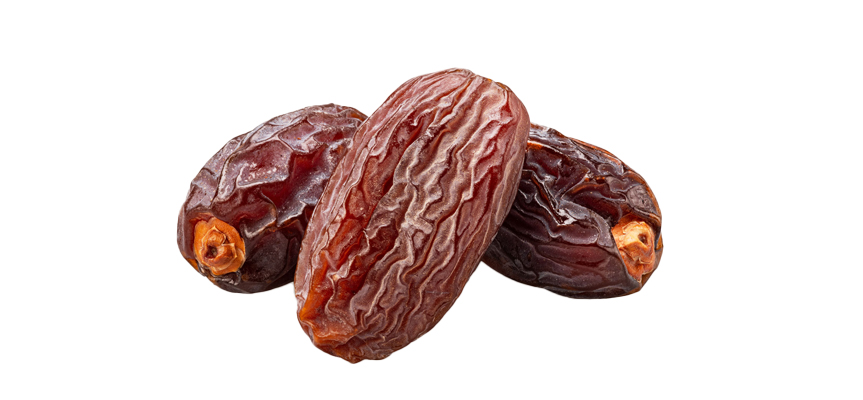
Dates are a traditional and popular Iranian product cultivated in tropical regions like Khuzestan, Bushehr, and Sistan and Baluchestan. Due to their high nutritional value and long shelf life, dates are highly favored in both domestic and international markets. Commercializing native products like dates through standardized packaging and obtaining international health certificates can increase exports to European and East Asian markets. Healthy food startups producing processed products such as date syrup and organic dates have attracted the attention of health-conscious consumers. Creating new markets for date products through e-commerce platforms has opened fresh opportunities for farmers.
Dried Fruits and Nuts: Diversity and Quality in One Basket
Iranian dried fruits, including walnuts, almonds, raisins, figs, and hazelnuts, hold a special place in global markets due to their unique taste and quality. These products are not only staples in Iranian households but also important as traditional gifts and export commodities. New brands producing organic food products without chemical additives have helped gain the trust of domestic and foreign consumers. Employing modern drying and packaging methods has enhanced the shelf life and appeal of these products. Innovation and organizational entrepreneurship in this sector, especially through collaboration with startups, have led to the development of new brands and increased sales. However, competition with countries like Turkey and the United States requires investment in marketing and branding.
Medicinal Herbs: Iran’s Natural Treasure
With over 8,000 plant species, Iran is one of the richest countries in the world for producing medicinal herbs. Products such as Damask rose, cumin, motherwort, and wild saffron have extensive applications in pharmaceutical, cosmetic, and food industries. Knowledge-based units specializing in medicinal plants contribute to this sector by producing extracts, essences, and herbal supplements. These innovative companies, by using modern processing technologies, have improved product quality and enabled exports to international markets. Agricultural startup ideas in this field can include the production of new products like herbal teas. Creating a value chain from cultivation to sales can increase farmers’ incomes and foster economic development in rural areas.
The Role of Startups in Transforming Agriculture
The emergence of modern agricultural actors and innovative food industry companies has brought the country’s agriculture into a new phase. These emerging and knowledge-based companies, utilizing new technologies, have significantly increased farm productivity. For example, one such innovative company introduced hydroponic and aquaponic cultivation methods, enabling the production of high-quality products in water-scarce areas. These technologies not only reduce water consumption but also lead to healthier and more sustainable products. Additionally, cooperation between modern food industry actors and traditional farmers has facilitated knowledge transfer and improved cultivation methods. These transformations demonstrate innovation and entrepreneurship in Iran’s agricultural industry and can help improve product quality and increase competitiveness in domestic and international markets.
Organic Food Products: Meeting Modern Needs
Rising public awareness about health and the environment has increased global demand for organic food products. With its natural capacities and diverse agricultural products, Iran holds high potential for producing such goods. Modern actors in the organic food sector, by producing pesticide-free products, contribute to environmental sustainability and consumer health. These products enjoy high demand in European, American, and Gulf markets. Startups, using international organic certifications and digital marketing, have succeeded in gaining consumer trust. This trend has helped strengthen Iran’s position in the global organic products market.
Probiotics: A Revolution in Modern Agriculture
Probiotic products in agriculture are used to improve soil health, increase plants’ resistance to diseases, and reduce reliance on chemicals. This technology contributes to producing healthier products and creating a sustainable food system. Innovative companies in this field produce agricultural probiotics, enabling farmers to grow higher-quality products with minimal environmental impact. For example, using probiotics in saffron cultivation can increase yield and reduce the need for chemical pesticides. These technologies represent sustainable development in agriculture, in which Iran can take a leading role.
Challenges Facing Iranian Agriculture
Despite abundant potential, Iranian agriculture faces multiple challenges. Water scarcity, especially in central and eastern regions, is one of the biggest production obstacles. Agricultural pests and plant diseases also reduce farm productivity. Although widespread use of pesticides helps control pests, it has adverse effects on the environment and human health. Climate change, such as recurrent droughts, further threatens agricultural production. Overcoming these challenges requires investment in modern technologies, farmer education, and intelligent management of natural resources. Sustainable development in agriculture demands a comprehensive and coordinated approach among the government, private sector, and society.
Commercialization and Export: A Bridge to Global Markets
Commercializing agricultural products is a key factor for success in international markets. Compliance with export-import regulations, product standardization, and obtaining international certifications reduce trade barriers. For example, health and packaging standards for exporting saffron and pistachios to Europe are highly important. Market development strategies, such as identifying new markets in East Asia and Africa, can help increase exports. E-commerce startups have facilitated farmers’ access to global markets by creating online sales platforms. These efforts lead to increased foreign exchange earnings and strengthen the national economy.
Branding: The Key to Success in Competitive Markets
Branding of Iranian agricultural products, especially saffron, pistachios, and dates, can significantly increase the added value of these products. Strong branding not only improves sales but also solidifies Iran’s position in global markets. For example, reputable Iranian saffron brands can compete with Spanish products and capture a larger market share. Creative and emerging companies, by designing attractive packaging, using storytelling in marketing, and participating in international exhibitions, have helped develop new brands. Innovation and organizational entrepreneurship in this area can lead to the creation of global brands.
Technology and the Future of Iranian Agriculture
Modern technologies such as agricultural drones, smart sensors, and farm management software have dramatically increased agricultural productivity. Food and beverage industry businesses, by developing applications for direct product sales, have strengthened the connection between farmers and consumers. These technologies help reduce costs, improve product quality, and create a sustainable food system. For instance, using soil sensors to manage irrigation in pistachio farms has optimized water consumption. With investment in these technologies, Iran can become a pioneer in modern agriculture.

Policy Making and the Government’s Role in Agriculture
The government can support the growth of this industry by regulating export and import laws, providing financial facilities, and investing in agricultural infrastructure. For example, developing modern irrigation systems and supporting agricultural product developers are policy priorities. Cooperation between the public and private sectors, especially in commercialization and export, can remove existing obstacles. Establishing agricultural technology parks and research centers will also contribute to the development of new technologies and increase the competitiveness of Iranian products.
The Future of Iranian Agriculture: A Bright Outlook
Considering Iran’s natural, human, and technological potentials, the future of its agriculture is bright. Focusing on sustainable development, adopting modern technologies, and strengthening branding can turn Iran into one of the leaders in the global agricultural market. Modern agricultural startups, by creating innovative platforms and collaborating with farmers, help accelerate this process. Investment in education, infrastructure, and international cooperation is the key to success on this path.
By addressing challenges such as water scarcity and improving resource management, Iran can become a model for sustainable agriculture.
In today’s world, having a good product alone is not enough anymore; we must know how to sell it, how to package it, how to build a brand story, and how to adapt to technology. The future of Iranian agriculture depends on this combined approach: preserving traditional roots while simultaneously riding the wave of innovation.
Conclusion
Iran’s best-selling agricultural products from saffron and pistachios to dates, dried fruits, and medicinal herbs—not only strengthen the national economy but also secure Iran’s place in global markets. Commercialization of native products, organizational innovation and entrepreneurship, and the use of modern technologies are steering this industry toward a sustainable future. By overcoming challenges such as water shortages, agricultural pests, and export barriers, Iran can become one of the pioneers of global agriculture.
Frequently Asked Questions
-
What are Iran’s best-selling agricultural products?
- Saffron, pistachios, dates, dried fruits, and medicinal herbs are among Iran’s best-selling agricultural products in domestic and global markets.
-
How do innovative companies help Iranian agriculture?
- These companies increase productivity and global market access by using modern technologies, digital marketing methods, and producing organic products.
-
Why is branding important for Iranian agricultural products?
- Strong branding increases product added value, improves competitiveness, and strengthens Iran’s position in global markets.
-
What are the main challenges in exporting Iranian agricultural products?
- Lack of standardization, trade barriers, insufficient export infrastructure, and competition with other countries are major challenges.
-
How can Iranian agriculture become more sustainable?
- Using modern technologies, reducing chemical pesticide use, investing in modern irrigation, and educating farmers contribute to sustainable agricultural development.
