
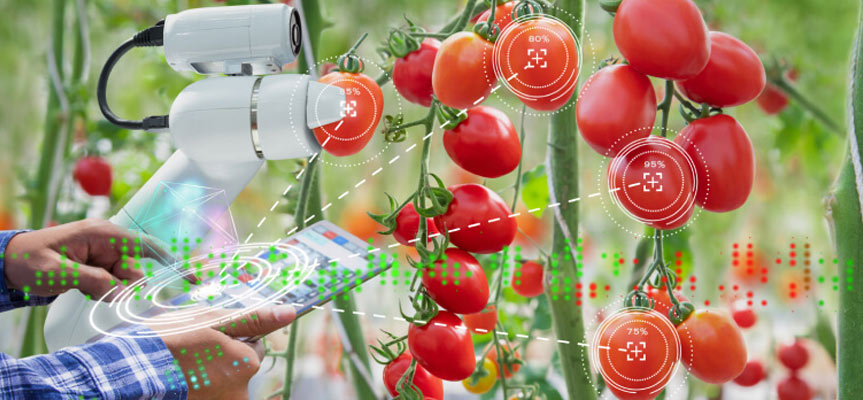
Introduction to the Role of Artificial Intelligence in Agricultural Pest Control
In recent decades, traditional agriculture has faced numerous challenges such as population growth, limited resources, and environmental damage. One of the greatest threats to agricultural products is plant pests, which reduce both the quality and quantity of crops. Artificial intelligence (AI), with its advanced tools and algorithms, has made it possible to predict and precisely control these pests. The use of smart farming and digital systems enables farmers to manage pests with high accuracy while using fewer chemical pesticides.
Smart Farming: A Novel Approach to Pest Management
Smart farming combines digital technologies, sensors, and AI algorithms to optimize decision-making processes on the farm. This approach helps farmers to:
- Predict pest levels
- Determine the optimal timing for spraying and irrigation
- Optimize the use of agricultural resources
These technologies not only increase crop productivity but also reduce the environmental impact caused by excessive use of chemical pesticides.
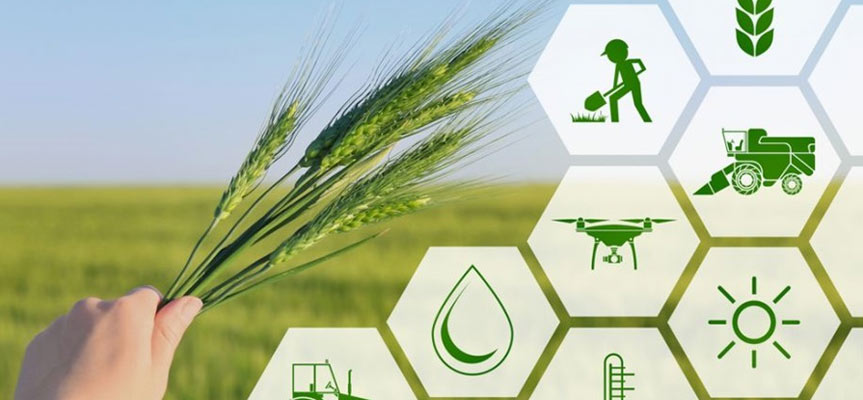
How Artificial Intelligence Predicts Plant Pests
Pest prediction is carried out using machine learning and analytical models. Data such as weather conditions, temperature, soil moisture, and pest history are collected, and AI algorithms can identify likely patterns of pest outbreaks.
A study conducted in 2023 showed that using predictive algorithms on a farm in Fars Province reduced pest outbreaks by up to 30% (Source: Agricultural Laboratory Report, batch-ID 2023-FARS-A).
Application of Machine Learning Algorithms in Pest Management
Machine learning is considered the core of smart systems in agriculture. Algorithms can:
- Identify different types of pests
- Estimate the severity of infestations
- Predict which areas of the farm require intervention
Using ML algorithms reduces human error and increases the precision of decision-making.
Agricultural Robots and Reducing Chemical Pesticide Use
Agricultural robots equipped with sensors and intelligent systems can spray pesticides only on the parts of the farm affected by pests. This method reduces chemical pesticide usage and lowers farmers’ costs.
Smart Systems and Precise Farm Condition Control
Smart systems collect real-time data on soil, moisture, temperature, and environmental conditions, allowing farmers to control farm conditions with precision. By combining these data with AI algorithms, these systems suggest the best times to combat pests.
Benefits of Using Artificial Intelligence to Increase Crop Productivity
Using AI in agriculture provides numerous advantages in addition to pest control:
- Reduced production costs
- Improved crop quality
- Optimized water and fertilizer usage
- Reduced damage caused by pests
These benefits are particularly valuable for agricultural companies and startups seeking to optimize performance.
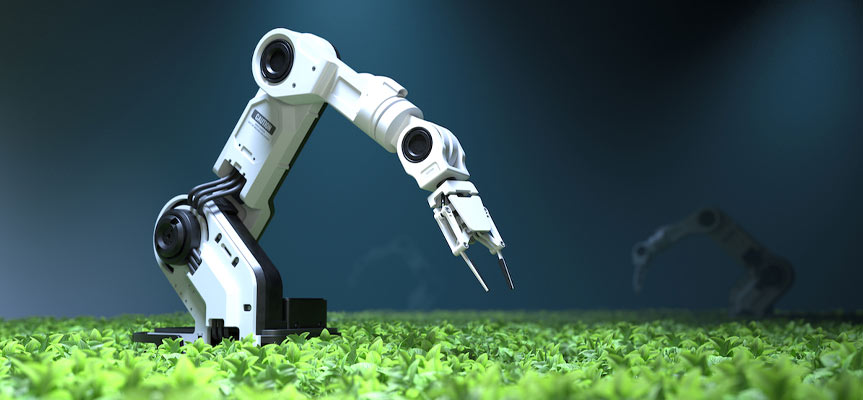
Modern Technology in Pest Reduction and Environmental Protection
Modern technology allows for reduced use of chemical pesticides and the implementation of sustainable pest control methods. The application of AI in this area enables agriculture to be conducted with minimal environmental impact and maximum efficiency.
Artificial Intelligence and Digital Agriculture: Managing Big Farm Data
Digital agriculture and AI generate large amounts of farm data. This data includes satellite imagery, sensor readings, and pest statistics. Algorithms analyze this information and provide practical solutions.
Sustainable Pest Control Methods Using Technology
Sustainable pest control methods include:
- Using robots for precise pesticide application
- Predicting pests with machine learning algorithms
- Analyzing environmental data for intelligent decision-making
These methods help reduce chemical usage and preserve soil health and the environment.
The Role of Innovation Centers in Developing Agricultural Technology
Innovation centers play a critical role in advancing modern agricultural technologies. These centers support startups and researchers, making it possible to test new technologies, develop algorithms, and trial robotic systems.
Challenges and Limitations of Artificial Intelligence in Agriculture
Despite its numerous advantages, AI in agriculture also has limitations:
- High cost of equipment and technology
- Need for specialized skills to manage the systems
- Potential errors in algorithms under unusual conditions
A test conducted on a farm in Mazandaran Province showed that the pest prediction algorithm was less accurate under heavy rain and required human intervention.
Reviewing Successful Global Applications of Artificial Intelligence
Countries such as the Netherlands and Japan use AI for pest management and farm optimization. In these countries, smart systems have reduced crop losses by up to 40% and significantly decreased pesticide consumption.
The Future of Smart Farming and Artificial Intelligence in Iran
With the growth of startups and increased access to technology, the future of Iranian agriculture is moving toward smart and digital farming. Widespread use of AI, robots, and digital monitoring systems enables sustainable agriculture and reduces dependency on chemical pesticides.
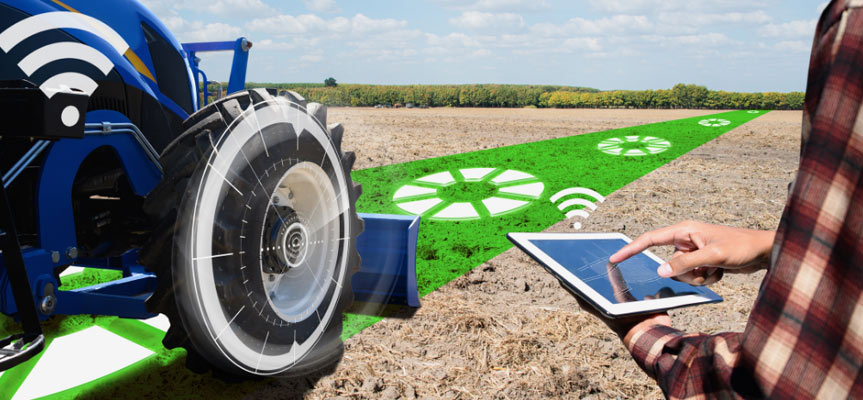
Summary and Practical Solutions for Farmers and Active Companies
- Use smart systems and robots to reduce costs and increase productivity
- Integrate environmental data and predictive algorithms for precise pest management
- Follow innovations and collaborate with innovation centers
- Train farmers and company managers to utilize technology effectively
Frequently Asked Questions
How does artificial intelligence control agricultural pests?
By analyzing environmental data and using machine learning algorithms, AI can predict and manage pest outbreaks.
What is the best method to control pests with technology?
Combining agricultural robots, digital systems, and AI algorithms provides minimal pesticide use and maximum efficiency.
What are the benefits of smart farming?
Reducing costs, increasing productivity, lowering pesticide usage, and protecting the environment are among the most important benefits.
How can AI increase the productivity of agricultural products?
By accurately predicting farm needs, managing resources, and preventing pest damage, AI boosts crop productivity.
What role do agricultural robots play in reducing pesticide usage?
Robots spray only the areas affected by pests, significantly reducing overall chemical usage.
