
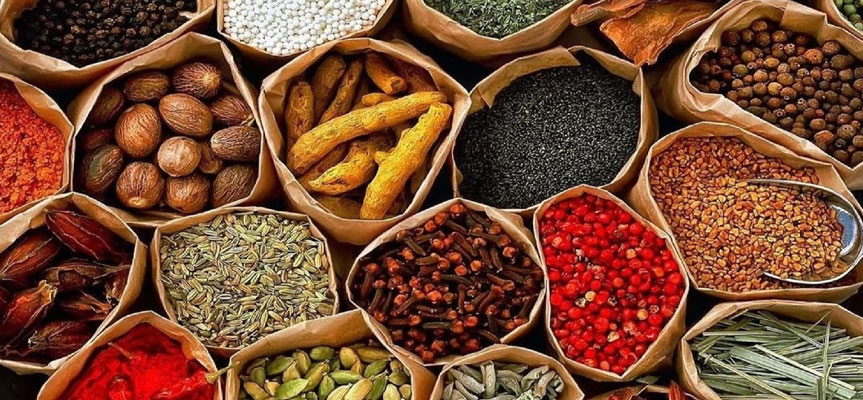
In recent years, the export of Iranian medicinal plants has become one of the most profitable and high-demand sectors. Iran, with its diverse climate and suitable cultivation conditions, produces high-quality and organic medicinal plants that have gained strong acceptance in global markets. From saffron to rosewater and traditional spices, Iran has significant capacity to supply international demand.
With the growing global interest in medicinal plants and increasing consumer awareness of the therapeutic properties of natural products, Iranian exporters have a valuable opportunity to expand their presence in international markets. This article examines the best countries for exporting Iranian medicinal plants, introduces the criteria for selecting target markets, and analyzes profitable trade routes in this sector.
The Grownida Innovation Center, as a specialized reference for market analysis and export development, plays an important role in providing guidance and consultation to exporters.
Understanding Iran’s Position in the Medicinal Plant Market and Export Growth Pathways
With more than 800 species of medicinal plants, Iran holds a unique position in the global market. Countries such as India and China also produce medicinal plants, but the quality and organic nature of Iranian products—especially in European and Middle Eastern markets—create a strong competitive advantage.
Over the past five years, Iran’s medicinal plant trade has grown significantly. Global demand for medicinal plants and increased exports of saffron, rosewater, and spices have shown a steady upward trend. Many private companies and startups, including the Grownida Innovation Center, analyze markets and offer consultation to help exporters enter new destinations.

Current Status of Iran’s Medicinal Plant Trade and Factors Influencing Destination Selection
Several factors influence the choice of export destinations, including product quality, health and food standards, import regulations in the target country, and global demand trends. Developed countries, due to their strict quality standards, typically purchase organic medicinal plants from Iran packaged according to modern standards.
In addition, transportation costs, customs duties, trade relations between countries, and the exporter’s international marketing capabilities all play decisive roles in selecting the best destination for medicinal plant exports.
Criteria for Selecting the Best Countries for Exporting Medicinal Plants
Accurate identification of target markets is essential for success in this sector. Key criteria include:
- Actual market demand: Reviewing the import volume and consumption of medicinal plants in the target country
• Economic and political stability: Countries with high stability present lower risks for exporters
• Health and legal standards: Compliance with international standards such as ISO and HACCP
• Market competition: Assessing the presence of global competitors and the relative advantages of Iranian products
• Future growth potential: Markets with increasing consumption of medicinal plants provide long-term opportunities
Global Demand for Medicinal Plants and Iran’s Role in Meeting It
According to the World Trade Organization, the global medicinal plant market value exceeded USD 65 billion in 2024 and is expected to surpass USD 90 billion by 2030. Europe, North America, and the Middle East hold the highest demand.
Iran, as a producer of high-quality organic medicinal plants, has secured a significant share of this market. Export products such as saffron, rosewater, and traditional spices attract global attention not only for their therapeutic properties but also for their distinctive taste and quality.
Top Importing Countries and Their Advantages for Iranian Exporters
Based on customs statistics and international trade data, the following countries are considered the main importers of Iranian medicinal plants:
- Germany: A large market highly sensitive to quality; suitable for exporting organic medicinal plants
- UAE: A gateway to the Gulf and Middle Eastern markets; high consumption of spices and herbal products
- France and Italy: Strong interest in medicinal plants and natural distillates with strict standards
- USA and Canada: Growing demand for organic products and herbal supplements
The Grownida Innovation Center supports exporters by analyzing target markets and helping them select the right destination at the right time.

Why Europe Is an Attractive Destination for Iranian Medicinal Plant Exports
Europe is one of the most important export destinations for Iranian medicinal plants due to rising consumer awareness and an increasing preference for organic products. Countries like Germany, France, and the Netherlands are major buyers of Iranian herbal goods.
Key advantages of exporting to Europe include:
• Strong acceptance of organic and natural products
• Higher prices compared to Asian markets
• Excellent opportunities for brand development and marketing
Exporting to Germany and Characteristics of Its Market
Germany is the largest European importer of medicinal plants and has strict regulatory standards. Attractive packaging, high product quality, and international health certifications are required for market entry.
German consumers place high value on health benefits and therapeutic properties, making Iranian saffron and rosewater particularly appealing.
The Medicinal Plant Market in the UAE and Opportunities for Iranian Exporters
The UAE, as the commercial hub of the Middle East, offers excellent opportunities for Iranian exporters. Geographic proximity, strong trade networks, and low shipping and customs costs facilitate access to this market.
Consumers in the UAE show strong interest in traditional spices, medicinal plants, and herbal remedies. Collaboration with local distributors and offering packaged products that comply with global standards are key to success.
Profitable Routes for Exporting Herbal Medicines and Spices from Iran
Popular Iranian export products include:
- Saffron:
The most expensive spice in the world; Europe and the United States are primary markets
• Rosewater and herbal distillates:
Valued for therapeutic properties; popular in Asian and European markets
• Traditional spices:
The UAE and Gulf countries represent the highest consumption rates
• Herbal medicine and organic supplements:
Europe and North America offer profitable opportunities
One exporter’s personal experience shows that proper packaging and providing a product sample to foreign buyers can increase the success rate of export contracts by up to 40%.
The Role of Saffron and Rosewater Exports in Strengthening Iran’s Position in the Global Market
Iranian saffron and rosewater have long held strong positions in global trade due to their high quality, unique flavor, and therapeutic benefits. Exports to Europe, the United States, and the Middle East generate significant revenue for Iranian exporters.
In addition, rosewater is used internationally in both food and cosmetic industries, and with proper marketing, it can further increase Iran’s global market share.

Legal Requirements and Export Standards for Medicinal Plants
For successful export of medicinal plants, adherence to the following standards is essential:
- International health certifications (ISO, HACCP)
• Compliance with the regulations of the European Union, the United States, and other target markets
• Export permits from Iran’s Food and Drug Organization
• Accurate labeling and clear ingredient information
Failure to comply with these standards may result in products being rejected at customs or failing to perform well in the market.
Global Prices of Medicinal Plants and Their Impact on Market Selection
Prices vary depending on factors such as product quality, organic certification, packaging, order volume, and official approvals.
For example, premium Iranian saffron (Sargol) is traded at around USD 220–250 per 10 grams in Germany, while similar products sell for about USD 180 in the UAE. This price gap influences the choice of export market.
Profitable Destinations for Exporting Organic Iranian Medicinal Plants
Organic Iranian products enjoy strong demand in European and North American markets. Countries such as Germany, the Netherlands, France, and Canada show significant interest in organic medicinal plants.
The Grownida Innovation Center assists exporters by analyzing import trends, pricing, and global demand to identify profitable markets.
The Role of the Grownida Innovation Center in Market Analysis and Export Development
The Grownida Innovation Center supports the growth of Iran’s medicinal plant trade by collecting market data, analyzing global trends, and offering expert consultation. By evaluating opportunities for exporting organic medicinal plants, identifying target markets, and outlining necessary standards, the center helps companies make informed decisions.
Conclusion
Due to high quality, organic production, and plant diversity, the export of Iranian medicinal plants represents a strategic opportunity in global trade. European countries, Germany, the UAE, and the United States are key destinations with strong demand and attractive profit margins.
By following legal standards, analyzing target markets, and using specialized consulting services such as those offered by the Grownida Innovation Center, Iranian exporters can expand their global presence and build a profitable and sustainable herbal-product export business.
Frequently Asked Questions
What is the best country for exporting medicinal plants?
Germany, the UAE, France, and the United States are among the top destinations for Iranian medicinal plant exports.
Which countries import the most medicinal plants?
Europe and the United States have the highest import volumes and place strong emphasis on product quality and organic certification.
Which destinations offer the highest profit for Iranian medicinal plant exports?
Exports to Germany and other European countries provide the highest profits due to stable demand and premium pricing.
How can medicinal plants be exported to Europe?
By complying with health standards, proper packaging, and obtaining legal permits from Iran’s Food and Drug Organization and customs authorities.
What permits are required to export medicinal plants?
Export permits, international health certificates, accurate product labeling, and compliance with ISO and HACCP standards are necessary.
