
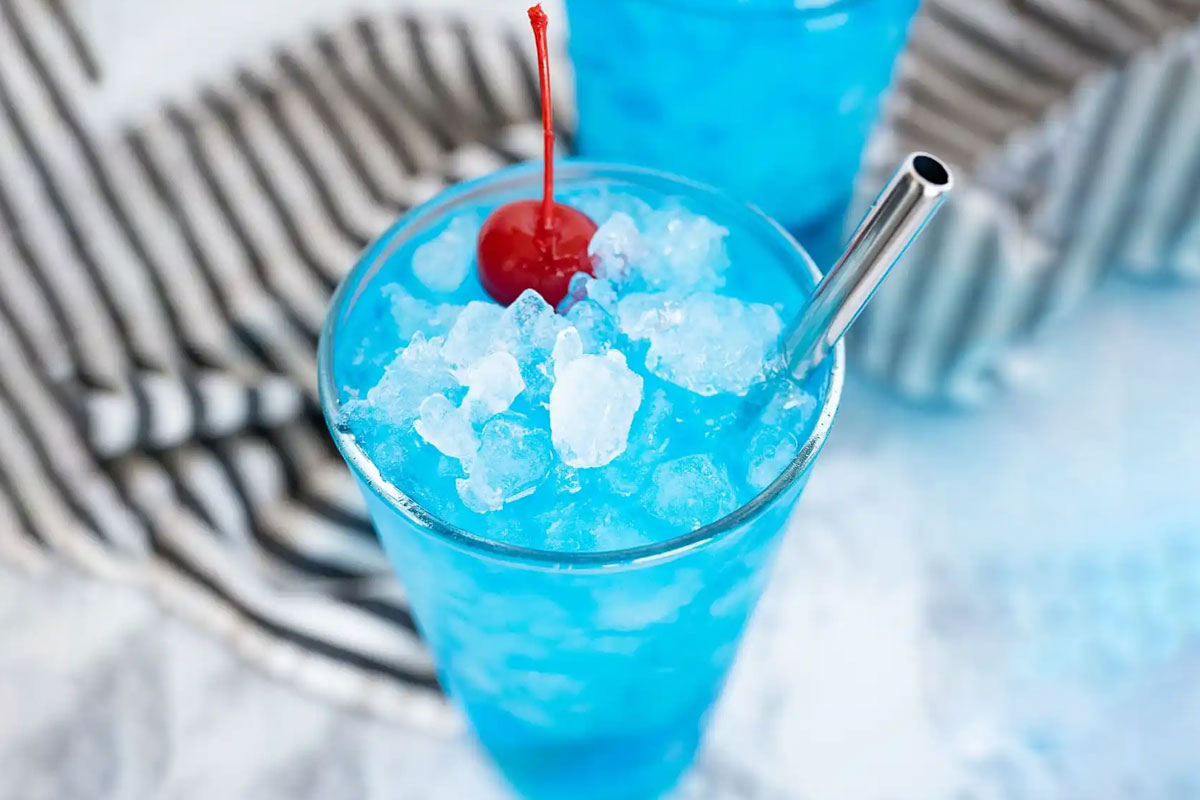
Brilliant Blue food coloring, scientifically known as Brilliant Blue FCF and identified by the additive code E133, is one of the widely used synthetic colorants in the food industry. With the increasing diversity of food and beverages, food colorings have become an inseparable part of our tables. This bright blue dye is commonly found in beverages, desserts, chewing gums, and dairy products.
But the main question is: Is Brilliant Blue food coloring safe? In this article, we thoroughly examine this widely used additive — from its chemical composition and common applications to its potential health effects, international organizations’ opinions, legal status in various countries, and its place in Iran’s food industry. We will also highlight the role of brands like Grownida and their innovations in the safe use of this dye.
What Is Food Coloring?
Food coloring is a substance used to change or enhance the color of foods, beverages, medicines, and cosmetic products. These colorings are generally divided into two categories:
- Natural food colorings: Extracted from plants, fruits, or animal sources
- Synthetic food colorings: Produced in laboratories using specific chemical compounds
Brilliant Blue belongs to the group of synthetic food colorings and is approved in many countries.
What Is Brilliant Blue Food Coloring?
Brilliant Blue, with the food additive code E133, is a bright blue dye classified under synthetic and organic food colorings. It belongs to the triarylmethane family and is highly favored in the food industry due to its strong stability against light and heat.
It is widely used in food products such as beverages, desserts, and sweets. Its appealing appearance has attracted many manufacturers. Moreover, Brilliant Blue FCF is recognized as a safe dye for human consumption and is permitted in the food industries of many countries.
Chemical Composition of Brilliant Blue
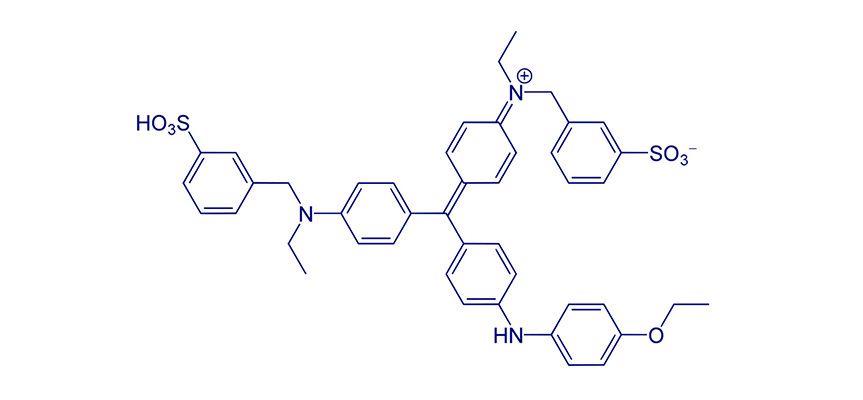
Brilliant Blue is a complex chemical compound consisting of a sodium salt, with the molecular formula C37H34N2Na2O9S3. This unique molecular structure makes the compound resistant to environmental changes, enabling the color to maintain its stability under various processing conditions, including different temperatures and pH levels. In simple terms, Brilliant Blue is designed not only to be visually attractive but also to withstand the toughest production and storage conditions of food products.
This chemical stability makes Brilliant Blue a reliable and popular choice in the food and pharmaceutical industries, where high stability in colorants is essential. Its resistance to degradation extends the product’s shelf life and guarantees final quality. Therefore, Brilliant Blue not only enhances product appearance but also plays a critical role in maintaining health standards and production quality.
Common Applications of Brilliant Blue Food Coloring
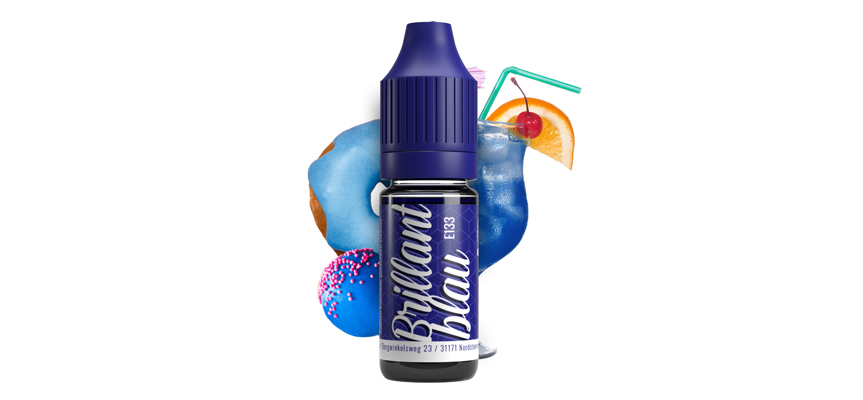
Brilliant Blue is used in various industries, including:
- Carbonated beverages
- Gelatins and powdered desserts
- Ice creams and flavored dairy products
- Confectioneries and candies
- Syrupy medicines
- Cosmetic and hygiene products
Food-grade colorings for beverages often include Brilliant Blue, especially in energy and fruit drinks.
Is Brilliant Blue Food Coloring Safe?
The short answer is: Yes, when used in approved and regulated amounts.
But let’s dive deeper.
Global Safety Standards for Brilliant Blue
Organizations such as:
- The U.S. Food and Drug Administration (FDA)
- The European Food Safety Authority (EFSA)
- The Joint FAO/WHO Expert Committee on Food Additives (JECFA)
all declare this dye safe for consumption within specified limits.
Maximum Permissible Intake
According to EFSA reports, the maximum allowable intake of Brilliant Blue is 6 mg per kilogram of body weight. For example, a person weighing 60 kilograms can safely consume up to 360 mg of this food dye daily without health concerns.
This limit is designed to ensure consumer safety while allowing enjoyment of colored food products, provided consumption stays within reasonable and regulated bounds.
Potential Side Effects of Brilliant Blue
Although Brilliant Blue is generally safe, under some conditions it may cause:
- Allergic reactions in sensitive individuals
- Behavioral changes in children (especially combined with other additives)
- Digestive disorders at very high doses
Therefore, ongoing detailed studies are in progress to better understand its long-term effects.
Difference Between Approved and Non-Approved Food Colorings
Approved food colorings like Brilliant Blue have passed rigorous scientific testing and health controls, ensuring they are non-carcinogenic, non-allergenic, and do not negatively impact vital organs. They comply with international standards and pose no health risk when used correctly and within limits.
In contrast, unapproved colorings usually enter the market without scientific oversight and may contain heavy metals, toxic compounds, or harmful substances that endanger consumer health. Using such colors not only jeopardizes individual health but also damages the producer’s reputation. They are no substitute for standard, approved colorants. So, consumers must stay vigilant and choose products with authorized and standard food colorings.
Brilliant Blue in Iran
In Iran, the Standards Organization and Ministry of Health have approved Brilliant Blue as a permitted additive for use in certain food products. These approvals are based on thorough scientific and health evaluations, highlighting the importance of adhering to hygienic regulations in food production and distribution. Usage of Brilliant Blue is only allowed within authorized doses and according to the guidelines of supervisory organizations to safeguard consumer health.
One key aspect in Iran’s market is the producers’ obligation to transparently disclose the presence of Brilliant Blue on product labels. Labeling this information guarantees consumers’ right to make informed choices and enhances customer trust in food products. This transparent and lawful approach significantly improves market quality and public health.
Grownida ’s Role in Enhancing Additive Standards
The Grownida Innovation and Creativity Center, focusing on delivering safe and quality products, has conducted extensive research on food additives. One of Grownida ’s notable achievements is producing the WINNOVENT color stabilizer, which incorporates Brilliant Blue food coloring and meets high quality and safety standards in the food industry. In Grownida ’s food additive products, compounds like Brilliant Blue are only used within approved doses and international standards.
Grownida ’s innovations in the food industry have encouraged many domestic manufacturers to confidently and safely use food colorings. This scientific and precise approach not only raises product quality but also improves consumer health and market trust, positioning Grownida as a leader in developing safe and standardized food additives.
Natural Alternatives to Blue Food Coloring
Some manufacturers prefer natural colorings. Natural substitutes for blue include:
- Blue Spirulina: A natural sea algae with blue color
- Anthocyanin: Extracted from grapes and blueberries
However, these natural colorings usually lack the stability of Brilliant Blue.
Effects of Food Coloring on the Body
Artificial colors, including Brilliant Blue, are rapidly excreted by the kidneys. Studies have shown that:
- These colors do not accumulate in the body
- They do not directly affect the digestive system or brain
- Individuals with sensitivity syndrome may experience immune responses
Approved Additives in Food Industry: Opportunity or Threat?
Proper and controlled use of additives like food colorings can be a golden opportunity for manufacturers to make their products more attractive and catch customers’ attention. When used in approved and standard doses, these colorings not only improve food appearance and flavor but also increase consumer confidence. This means additives can bridge quality and successful sales.
However, if regulations are ignored and these substances are overused or misused, they quickly become a threat to public health. That is when responsible use and strict supervision become crucial — because any good opportunity, if mismanaged, can turn into a significant risk. Ultimately, the key to success lies in compliance with standards and educating both producers and consumers.
How to Choose the Right Food Coloring?
Important points when selecting food colorings:
- Ministry of Health approval and additive code (e.g., E133)
- Clear labeling on the product
- Specified consumption limits for each product
Is Eliminating Artificial Colors a Good Solution?
In recent years, the removal of artificial colors from food products has become one of the major concerns for both manufacturers and consumers. Some brands, in response to public worries, have quickly shifted toward natural colors. But the reality isn’t that simple. Artificial colors have been under scientific and regulatory scrutiny for many years, and many of them—like Brilliant Blue—are considered completely safe when used within approved doses.
On the other hand, natural colors do not always offer the same stability or expected performance. They may affect the taste, texture, or shelf life of products, sometimes making them less appealing or more expensive to produce. Therefore, simply eliminating artificial colors isn’t always the best or most practical solution.
The key lies in responsible use and strict regulation. With proper controls, artificial colors can enhance the appeal and safety of food products without compromising consumer health. The focus should be on balancing consumer preferences with scientific evidence and regulatory standards.
Conclusion
In today’s world, where the appearance of foods and snacks plays a crucial role in the consumer experience, the use of attractive and safe food colorings has gained significant importance. Brilliant Blue food coloring, by creating a bright and clear blue hue, breathes new life into various edible products and can be easily used in the preparation of different jellies, beverages, ice creams, candies, and bakery items. This colorant is not only aesthetically pleasing but also assures consumer peace of mind regarding product safety when food safety standards are properly observed.
By choosing Brilliant Blue food coloring, manufacturers—and even home cooking enthusiasts—can give their foods and desserts a professional and appealing look. Due to its high stability against heat and light, this colorant is considered a durable and effective option for enhancing the visual quality of edible products. If you are looking for a way to make the appearance of your food products stand out, Brilliant Blue is a brilliant and reliable choice.
