

Introduction
Food packaging in recent years is no longer just a protective layer or a simple container. The food industry has moved toward technologies that not only protect the product but also provide information about its condition, react to the environment, and even warn when the product is about to spoil. Smart packaging is one of the most important of these advancements. When I first saw the early prototypes of this technology, I assumed it was mainly for marketing, but after reviewing it carefully, I realized how much it can reduce food waste and how it preserves product value in export processes.
In many companies, especially those whose products travel long distances, packaging plays a vital role, since the slightest change in temperature or humidity can reduce quality. This is where smart packaging helps maintain stable conditions during transport. The important point is that this technology is not limited to large brands; many medium-sized businesses can use it too.
In the following sections, I will explain smart packaging, its benefits, technologies, applications, challenges, and its future in Iran in a clear and practical way.
What Is Smart Packaging and Why Is It Important?
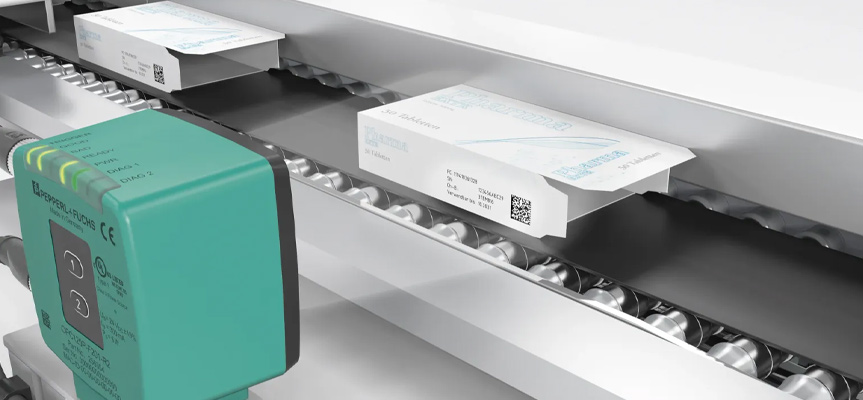
Smart packaging is a form of packaging that, in addition to standard protection, can monitor environmental conditions and product quality. With the help of sensors, active materials, color indicators, and advanced methods, this technology displays the internal condition of the package.
Its importance can be summarized in three main areas:
First, extended shelf life.
Second, reduced spoilage and less food waste.
Third, increased consumer trust.
With population growth and rising demand for fresh products, the food industry needs to monitor quality closely. Even in Europe, a 2024 report shows that about 15 percent of food is discarded before consumption. This number is especially important for countries active in exports. Smart packaging reduces this issue and for that reason has gained significant popularity.
Key Technologies in Smart Packaging
Packaging technology has grown rapidly in recent years, and several technologies play a central role in modern packaging systems.
- Temperature-change sensors
These sensors respond to temperature variations. For example, if the product is exposed to improper temperature, the sensor’s color changes. This method is especially useful for protein and dairy products. - Freshness sensors and chemical indicators
These sensors detect spoilage through gas or chemical reactions. For example, when the levels of ammonia or carbon dioxide rise, it indicates the food is starting to spoil. - Active packaging
In active packaging, the materials inside the package perform protective functions. Examples include packages that absorb oxygen or reduce excess moisture. This method is highly valuable for dried fruits, nuts, and export-oriented food products. - RFID technology
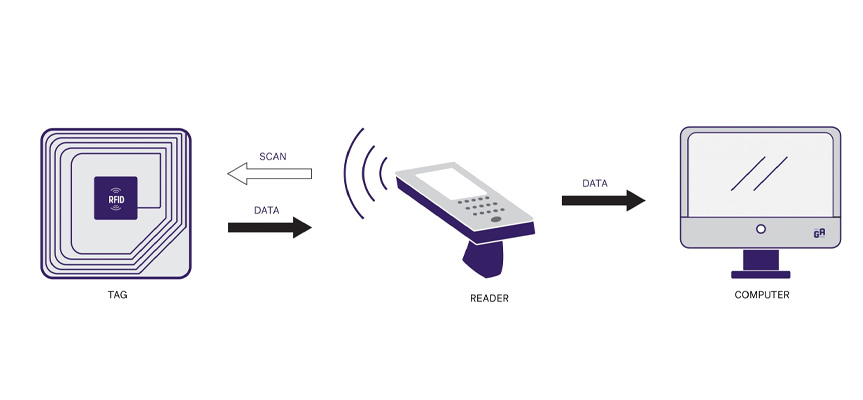
RFID allows tracking the product throughout its journey. In large industries where items are moved in high volumes, RFID provides detailed information to both producers and consumers.
Some Iranian companies have also adopted RFID, but it is not yet widely used. Studies of several production lines show that the main challenge is the initial cost, but long-term benefits usually compensate for it.
Benefits of Smart Packaging in Preserving Food Freshness
Smart packaging provides several key advantages.
The first advantage is quality control across all stages. A smart packaging system is not just a protector; it is a real monitoring tool that reflects internal changes.
The second advantage is transparency for the consumer. When the customer can check the product’s condition without opening the package, trust in the brand increases. This transparency has boosted sales in European markets.
The third advantage is reducing food waste. Statistics show that nearly 30 percent of food is lost in the supply chain. Smart packaging reduces this number because spoilage is detectable before it spreads.
The Role of Active and Smart Packaging in Increasing Shelf Life
Active packaging is a subset of smart packaging that reacts to the environment to extend shelf life. These packages use oxygen absorbers, moisture regulators, or harmful-gas absorbers.
According to a real experience in a nut production factory, using active packaging delayed spoilage by more than 20 percent. In fact, controlling moisture and oxygen plays the biggest role.
For products like coffee, raisins, dates, and other export goods, active packaging is a strategic advantage.
Sensor-equipped Packaging and Quality Monitoring
Sensor-equipped packaging provides more precise information than traditional methods. Sensors can track temperature, humidity, oxygen, or released gases.
A widely used type is the color-changing sensor. When conditions shift, its color changes. This simple change is extremely useful. The consumer can immediately determine if the product is safe without needing any tools.
Packaging Design for Longer Shelf Life and Food Safety
Packaging design goes beyond appearance. Thickness, material, sealing technique, permeability, and even printing method all affect product quality.
For example, protein products require layers that prevent oxygen penetration. Dried fruit packaging must control moisture. Beverage packaging must block gas exchange.
One common mistake I’ve seen in many small businesses is choosing attractive but non-standard packaging. This causes the product to lose quality during long transport routes.
Sustainable Packaging and Its Environmental Importance
Food companies now pursue sustainable packaging—materials that do not harm the environment. Sustainable packaging can be recyclable, biodegradable, or made from natural materials.
Besides environmental benefits, this type of packaging improves brand image. Many consumers show more support for brands that care about the environment.
Global Trends and Innovation in Food Packaging
In recent years, several major trends have emerged globally:
- Use of natural antibacterial materials
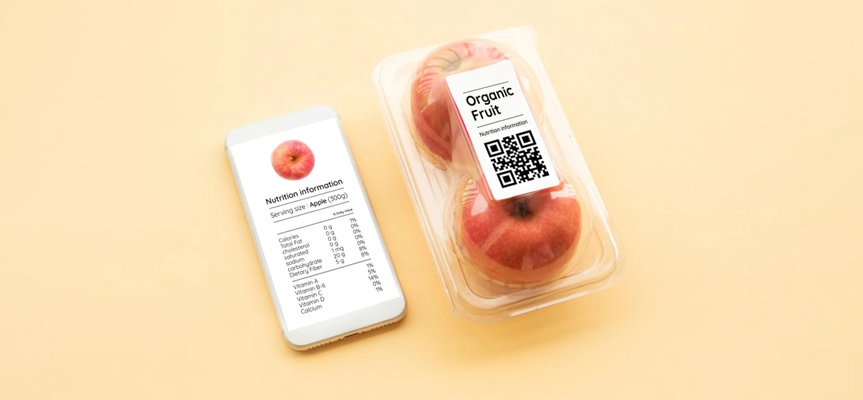
- Adoption of intelligent codes and QR codes to display product status
- Reduced plastic usage
- Packaging made from plant-based materials
These trends are gradually entering Iran as well, but there is still significant room for growth.
Smart Packaging for Food Export
Food exports often face challenges such as temperature, humidity, and long-duration transport. Smart packaging makes this process more secure.
Products like saffron, dates, pistachios, dried fruits, and dairy require stable quality for export. Companies that use advanced packaging technologies have a higher chance of acceptance in foreign markets.
Challenges of Implementing Smart Packaging
This field also faces challenges:
- High initial costs
- Need for staff training
- Limited domestic suppliers
- Lack of clear standards in Iran
However, with the expansion of innovation centers such as the Gronida Innovation Center, this path is changing. Many food businesses can implement new technologies faster by receiving support and consultation from these centers.
Comparison of Traditional and Smart Packaging
Traditional packaging provides protection only. Smart packaging not only protects but also informs and influences quality. In essence, traditional packaging is a static barrier, while smart packaging is a responsive, dynamic system.
The Future of Smart Packaging in the Food Industry of Iran and the World
The future of this field looks promising. With the growth of e-commerce, long-distance shipping, and demand for extended shelf life, smart packaging is becoming a real necessity.
In Iran, progress in this area has accelerated. Companies and innovation centers play an important role in training and implementation.
Conclusion
Smart packaging has become an essential tool in the food industry. This technology protects product quality, delivers valuable information, reduces spoilage, and extends shelf life. For producers, startups, and export-oriented brands, adopting modern packaging is a smart choice.
If your business operates in the food sector, adopting this technology can increase product value and strengthen customer trust. If needed, you can consult innovation-center specialists to choose the best packaging approach.
Frequently Asked Questions
What is smart packaging?
It is a type of food packaging that uses technology to provide information about quality, freshness, temperature, or storage conditions.
What is the most important advantage of smart packaging in the food industry?
It increases shelf life, reduces spoilage, improves food safety, and offers better transparency for consumers.
How does smart packaging extend food shelf life?
By controlling storage conditions, absorbing or releasing oxygen or moisture, and using sensors that manage changes.
Does smart packaging increase production costs?
It may cost more at first, but eventually reduces product waste and increases producer profit.
Why is smart packaging important for food export?
It preserves product quality during long transport routes and ensures compliance with international standards, which increases the chances of product acceptance.
