
An Introduction to the Shift in Agriculture and the Role of Greenhouses
When we talk about the future of agriculture, most people’s minds go to large machinery, drones, or genetically modified seeds. Yet, one of the most important transformations in recent years is something that, at first glance, seems remarkably simple: the greenhouse.
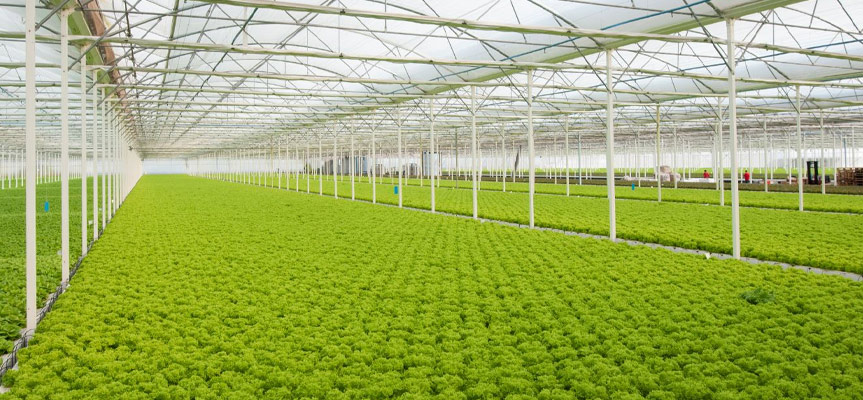
Greenhouse farming is no longer just an option; it has become a survival tool. In a world where water resources are limited, drought periods are longer, and climate fluctuations are intensifying, traditional farming is like playing on land that changes shape every minute. Greenhouse farming, by contrast, is like building your own dedicated and controlled field—where light, temperature, humidity, water, fertilizers, and even pests are fully managed.
I have visited several greenhouses, ranging from small family operations to industrial projects with smart systems. In all these cases, one thing remained constant:
Higher yields with lower risk.
Economic Perspective on Greenhouse Farming and Factors Determining Financial Efficiency
Greenhouse farming has several key economic characteristics that reduce production costs and increase profitability. The first factor is reduced production volatility. Outdoors, farming constantly faces risks such as hail, untimely rain, hot winds, and seasonal diseases, each capable of significantly reducing yield. In a greenhouse, however, climate conditions are stable and adjustable, which alone improves crop efficiency.
The second factor is price stability. When a producer can supply crops year-round, they avoid seasonal shortages and oversupply, keeping prices within a controlled range and increasing greenhouse profitability.
Initial Costs and How Much It Costs to Set Up a Greenhouse
Many newcomers ask: How much does it cost to build a greenhouse?
Short answer: It depends.
Long answer: It depends, and there is a completely logical reason.
Greenhouse costs depend on multiple factors, including:
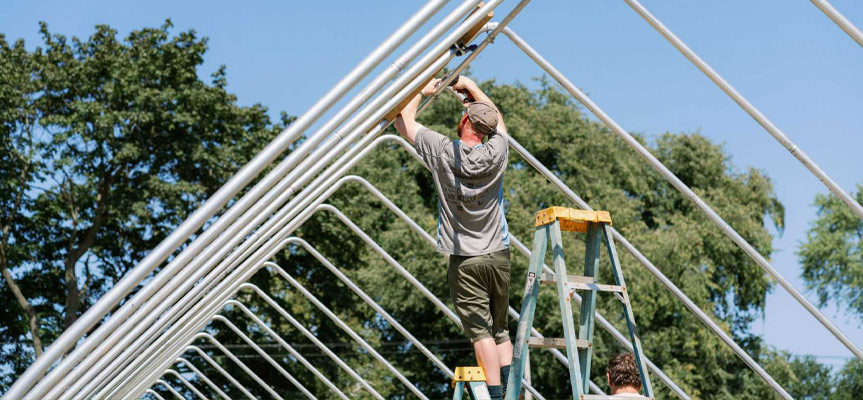
- Type of structure (metal, lightweight, plastic, glass)
- Temperature and humidity control systems
- Irrigation system (drip, mist, hydroponic)
- Type of crop
- Land area
- Geographic location and heating/cooling requirements
For instance, modern glass greenhouses usually have higher construction costs but offer better efficiency, durability, and control.
The more important point: ROI for greenhouses is generally faster than traditional farming.
(This is discussed further in the ROI section.)
A Failed Experiment to Build Real Trust
In early 2023, a producer in Qom decided to cut costs by using second-hand heaters. The result? On the first cold night, one greenhouse’s heater failed, damaging the crop for nearly 12 days. He later admitted, “Initial cost savings are not always real savings.” This is a reality more visible in greenhouse farming than anywhere else.
Precise Temperature and Humidity Management and Its Impact on Productivity
One of the most significant advantages of greenhouses is the ability to control temperature and humidity. This directly affects growth rate, plant health, flowering, fruit quality, and even shelf life. Outdoors, you are at the mercy of the weather; in a greenhouse, you become a climate designer.
Benefits of climate control include:
- Preventing temperature shocks
- Reducing water stress
- Improving fruit color and taste
- Increasing production stability
The economic advantage arises because plants growing in ideal conditions require less energy, resulting in higher and better-quality yields.
Why Greenhouses Are More Water-Efficient
Water savings in greenhouses is critical, especially in arid regions. In modern greenhouse systems:
- Water is not wasted
- Evaporation is reduced
- Irrigation is drip-based or circulating
- Humidity is maintained, reducing plant water needs
A 2023 University of Tehran report compared water usage in hydroponic greenhouses and open-field farms. Data showed significantly lower water consumption in greenhouses for crops like cucumbers and strawberries.
Water efficiency in greenhouses is not just a slogan but a measurable result.
Role of Climate Control in Reducing Risks of Traditional Farming
Traditional farming is full of uncontrollable risks: sudden rain, hot winds, frost, flying pests, poor soil, nighttime temperature drops, and many more.
Greenhouse farming minimizes these risks. This is why even cautious investors prefer modern greenhouses.
Climate control ensures:
- Predictable yields
- Minimal seasonal losses
- High-standard products for the market
For export crops, this stability is crucial.
Comparing Greenhouse and Traditional Farming in Costs and Efficiency
Traditional farming:
- High water costs
- Dependence on soil
- Low, seasonal yields
- High risk
- Large land requirements
Greenhouse farming:
- Water savings
- Multiple production cycles per year
- Consistent quality
- Control over temperature, humidity, light, and pests
- Optimized use of space
For farmers seeking high income on limited land, greenhouses are almost the only logical choice.
Greenhouse ROI and How Many Years It Takes
Many producers ask: How long until a greenhouse pays off?
The answer depends on:
- Type of crop
- Structure type
- Control systems
- Energy costs
- Market
From experience, ROI usually occurs between 2 to 5 years. Producers often start profiting in the first year, but full return takes several years.
Advantages of Modern Greenhouses in Product Quality and Quantity
Modern greenhouses allow producers to:
- Produce uniform-sized crops
- Ensure marketable quality
- Extend product shelf life
- Significantly reduce waste
For example, greenhouse-grown bell peppers have a noticeable quality difference compared to field-grown ones, even for ordinary consumers. This quality is a major driver of profitability.
Reducing Production Costs with Greenhouses and the Impact of Modern Technologies
New technologies like:
- Moisture sensors
- Smart control systems
- Automatic ventilation
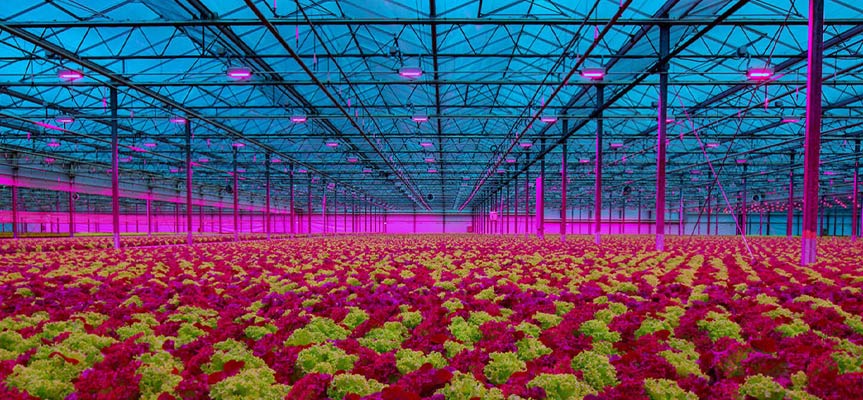
- LED light control
- Renewable energy systems
reduce production costs and increase efficiency. The more modern the system, the better energy costs are managed.
Role of Smart Greenhouses in Increasing Efficiency and Economic Viability
Smart greenhouses collect precise environmental data and make optimal decisions quickly, enabling:
- Controlled water use
- Reduced energy consumption
- Optimized production
- Uniform, high-quality crops
Though initially costly, long-term benefits are significant.
Role of Innovation Centers like Grownida Innovation Center in Greenhouse Business Development
Innovation and accelerator centers play a key role in greenhouse development in Iran. The Grownida Innovation Center helps greenhouse businesses:
- Refine business models
- Adopt modern technologies
- Find new markets
- Implement specialized marketing
Such support is crucial for new entrepreneurs.
Future Outlook of Greenhouse Farming and Industry Progress
By 2026, many provinces in Iran are expected to enforce water management regulations, driving growth in modern greenhouses. The future of agriculture in Iran is inseparable from greenhouses.
Conclusion
Greenhouse farming addresses resource shortages, market fluctuations, and climate challenges. From water savings and increased agricultural productivity to climate control and profitability, all factors make greenhouses financially and operationally efficient. This approach is viable not only for large producers but also for small businesses.
If you are considering this field, today is the best time to start.
Final Question:
Which factor has had the greatest impact on reducing your costs, and why do you consider it so important?
Frequently Asked Questions
Why is greenhouse farming more economical than traditional methods?
Due to water savings, increased controllability, reduced risks, and year-round production capability.
How much does it cost to build a greenhouse, and what factors affect it?
Costs depend on structure type, equipment, control systems, crop type, and location.
Why do greenhouses generate higher profits, and where does this profit come from?
From sustainable production, lower resource consumption, reduced waste, and off-season supply.
How exactly does a greenhouse reduce costs?
By managing water, energy, fertilizers, pests, and environmental conditions.
How long does it take for a greenhouse to achieve ROI?
Depending on greenhouse and crop type, typically between 2 to 5 years.
