
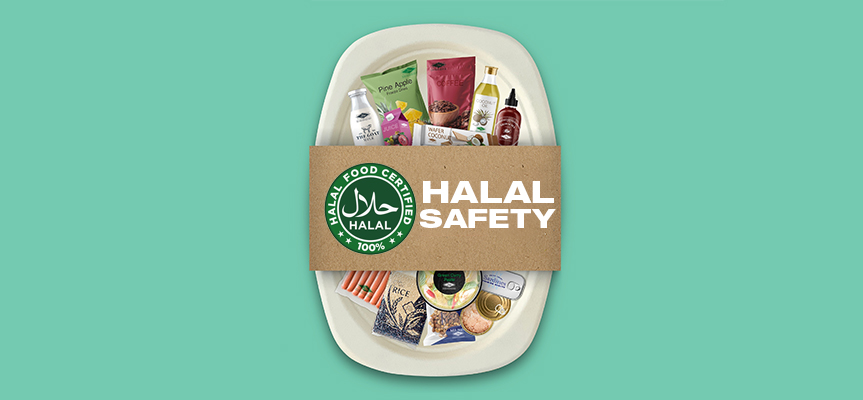
Halal Food Standards
In today’s world, where cultural and religious diversity is more prominent than ever, halal food has gained a special place as one of the most important needs of consumers around the globe. Halal food standards are not only tied to religious principles but have also become a global benchmark for ensuring the quality, safety, and sustainability of food products. These standards matter to producers, companies, startups, and even regular consumers because they increase trust in the product and open up new markets on an international scale.
As a specialist in the food industry, I’ve seen time and again how compliance with halal regulations can win customer trust and create export opportunities for companies. In this article, we will closely examine international halal standards, the process of obtaining halal certification, their role in the food industry, and their importance for brands such as Grownida. The aim is to provide useful information for bloggers, producers, startups, and researchers to help them leverage these standards to improve their businesses.
What Is Halal Food?
Halal food refers to products that are prepared and produced in accordance with Islamic rulings and are permissible for Muslims to consume. These foods must meet specific criteria during preparation, production, packaging, and even transportation in order to obtain halal certification. Forbidden ingredients like pork, alcohol, or any substance declared haram in Islam must not be present in the production of halal food.
Importance of Halal Food Standards
Halal food standards are a set of rules and guidelines that ensure food and related products are produced in line with Islamic principles. These standards encompass every step of the supply chain from selecting raw materials to packaging and distribution. For consumers, these standards mean assurance of cleanliness, health, and religious compliance. For companies and startups, they offer an opportunity to enter global markets, particularly in Islamic countries.

International Halal Standards
International halal standards, such as those issued by organizations like JAKIM (Malaysia) and the GSO (Gulf Cooperation Council), provide comprehensive frameworks for producing halal food. These standards include the following components:
Halal Raw Materials
Raw materials must come from sources that comply with Islamic principles. For instance, meat must be from animals slaughtered according to halal methods.
Production Processes
All stages of production, from processing to packaging, must be free from any haram substances or processes. This includes using dedicated equipment for producing halal products.
Labeling and Traceability
Halal products must be clearly labeled so that consumers can easily identify them. Additionally, tracing raw materials throughout the supply chain is essential.
Several international organizations are involved in setting halal food standards, including:
- Malaysian Halal Standard (MS 1500)
- Iranian Halal Standards (ISIRI 9147)
- ISO International Halal Standards (ISO/TS 22002-1)
These standards share common pillars such as methods of slaughter, quality control, and monitoring of raw materials and production processes.
Halal Laws and Related Regulations
Halal regulations may vary slightly from one country to another, but the core principles are often the same: prohibition of haram substances, requirement for Islamic slaughter, and continuous monitoring of the production process. In Iran, the Institute of Standards and Industrial Research of Iran (ISIRI) plays the leading role in formulating and overseeing halal compliance.
Steps to Obtain Halal Certification
Obtaining halal certification is a thorough, multi-stage process that requires a strong commitment to meeting halal standards in the food industry. This process includes:
-
Raw Material Review
The first step in verifying halal compliance is a detailed review of all raw materials. All ingredients must be free from prohibited substances (like alcohol or pork). For example, food additives like gelatin must come from halal sources.
-
Production Process Inspection
Halal certification bodies, such as those operating in Iran, inspect production lines to ensure there is no cross-contamination with haram substances. This includes inspection of equipment, storage areas, and cleaning processes.
-
Staff Training
Employees must be trained on how to comply with halal standards. This training includes understanding religious rules and hygiene protocols.

Halal Standard Requirements in the Food Industry
To comply with halal standards, manufacturers must pay close attention to the following:
- Use of fully halal and approved raw materials
- Strict adherence to Islamic slaughter practices
- Prevention of cross-contamination with haram substances
- Maintaining hygiene and safety at all stages of production and packaging
- Implementation of halal quality control through regular testing and documentation
Quality Control in Halal Food
Quality control in halal food goes beyond religious rules. It involves chemical, microbiological, and sensory testing to ensure the product’s health and quality. For example, routine checks for possible contamination and the use of approved additives are essential parts of this process.
Halal Standards and Modern Technologies in the Food Industry
Halal standards for probiotic products are an emerging area in the food industry. Probiotics, as dietary supplements that enhance digestive health, must also be produced using halal raw materials. For instance, the gelatin used in probiotic capsules must come from halal sources.
The Importance of Halal Standards in Export
The importance of halal standards in exports is undeniable. Global markets particularly in Muslim-majority countries like Malaysia, Indonesia, and Gulf states have high demand for halal products. Adhering to international halal food standards enables companies to access these lucrative markets.
For example, the impact of halal standards on global markets is evident in increased consumer trust and a competitive advantage for companies. Brands that focus on producing innovative and halal-certified products have successfully strengthened their position in export markets.
How to Align Production with Halal Standards
To align their products with halal standards, producers must focus on analyzing raw materials, adapting production processes, training staff, and keeping detailed records. This alignment ensures not only religious compliance but also adherence to safety and quality standards. Companies should follow these steps:
Supply Chain Assessment
All suppliers must have halal certification or provide approved raw materials.
Process Redesign
Production lines must be designed to prevent cross-contamination with haram substances.
Collaboration with Certification Bodies
Working with halal certification bodies in Iran for consultations and regular inspections is essential.
Challenges in Complying with Halal Standards
Complying with halal food standards comes with certain challenges. These include high inspection costs, the need for continuous staff training, and complexities in tracking the supply chain. However, brands can turn these challenges into opportunities for innovation by leveraging modern technologies.

Iran’s Halal Certification and Its Credibility
Iran’s halal certificate is issued by the National Standards Organization and holds significant credibility both in domestic and international markets. Possessing this certificate helps companies strengthen their position in the market and gain consumer trust.
Halal Certification Centers in Iran
In addition to the National Standards Organization, private and specialized centers also play an active role in issuing halal certificates. These centers, by employing expert professionals, facilitate and expedite the process of evaluation and certification.
Halal Standards for Probiotic Products
Halal standards for probiotic products represent an emerging field in the food industry. Probiotics, as dietary supplements that improve digestive health, must be produced using halal raw materials. For example, the gelatin used in probiotic capsules must be sourced from halal origins.
The Impact of Halal Standards on the Global Market
Adhering to halal standards serves as a competitive advantage, increasing companies’ market share globally. While Islamic countries with large markets hold the greatest share in halal food trade, non-Muslim countries have also shown interest in this market due to their Muslim populations.
Halal Standard Approval Process
The approval process includes on-site inspections, sampling, laboratory testing, and documentation review. Strict adherence to these procedures ensures that the final product fully complies with both religious and health requirements.
The Future of Halal Food Standards
The future of halal food standards looks promising due to the growth of the global market and rising demand for sustainable and healthy products. Companies that can combine innovation and quality with halal compliance will succeed in this competitive market.
Conclusion
Complying with halal food standards not only guarantees product health and quality but also plays a crucial role in market development and export growth. Companies and manufacturers must gain a thorough understanding of halal regulations and laws to pave the way for entry into global markets. With advancements in technology and the expertise of innovation centers, new solutions have been introduced to facilitate the alignment of products with halal standards, making this path easier.
Frequently Asked Questions
What are halal food standards?
Halal food standards are a set of rules and guidelines that ensure food products are produced in accordance with Islamic principles.
What are the steps to obtain halal certification?
The steps include submitting an application, inspecting the production line, evaluating documentation, issuing the certificate, and conducting periodic monitoring.
What laws govern halal food production?
Key regulations include the prohibition of non-halal substances, Islamic slaughter methods, and strict quality control.
Why is halal certification important for exports?
The halal certificate is a requirement for entering many international markets and helps gain customer trust.
How can production be aligned with halal standards?
By reviewing raw materials, modifying production processes, training staff, and thorough documentation.
