
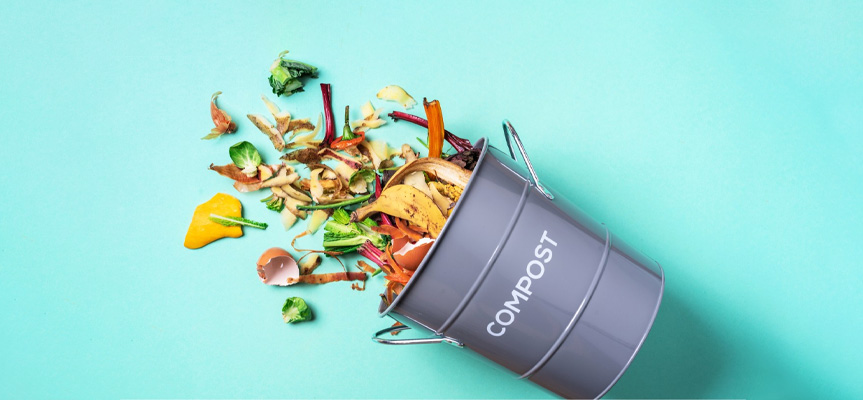
In today’s world, the importance of using organic fertilizers is clearly recognized not only for improving soil quality and increasing agricultural productivity but also for protecting human health and the environment. Many farmers, home gardeners, and even agricultural business owners and sustainable agriculture startups are seeking cost-effective and efficient methods to produce organic fertilizer at home or on the farm. If you’ve arrived at this article wondering, “How can I make organic fertilizer?” you’re in the right place.
In this article, we will provide a step-by-step guide on making organic fertilizer, examine its various types, required materials, benefits and drawbacks, applications, and key tips for preparing and storing natural fertilizers. The goal is to offer valuable information not only for farmers but also for researchers, home gardening enthusiasts, and brand owners like Grownida.
The Importance of Using Organic Fertilizer
Organic fertilizers play a key role in improving soil structure, nourishing plants, and reducing dependence on chemical fertilizers. They are made from natural and renewable sources such as plant, animal, or organic waste. Unlike chemical fertilizers, continuous use of organic fertilizer does not degrade the soil instead, it boosts microbial activity and improves soil health.
What Is Organic Fertilizer?
Organic fertilizer refers to substances derived from natural sources used to enhance plant growth and soil quality. These fertilizers contain no synthetic chemical compounds and are produced through natural processes such as decomposition, fermentation, or composting.
Types of Organic Fertilizer
Organic fertilizers come in various forms, each serving a unique role in enhancing soil and plant growth:
- Compost Fertilizer:
The most commonly used type of organic fertilizer, made from food scraps, dried leaves, and plant residues. It’s rich in nutrients and beneficial microorganisms. - Animal Manure:
Created through the natural fermentation and decomposition of animal waste such as cow, sheep, chicken, or horse manure. Proper use strengthens soil structure and enhances fertility. - Green Manure:
Plants like clover or peas are plowed into the soil before flowering, serving as a source of nitrogen and organic matter for the soil. - Herbal Compost:
Made from dried or leftover plants such as nettle, chamomile, or banana peels each with specific benefits. - Vermicompost:
Produced by earthworms (especially Eisenia fetida) from organic waste. This type of fertilizer retains soil moisture well and regulates pH levels.

Advantages of Organic Fertilizer
- Improves Soil Structure:
Enriches the soil in terms of texture, aeration, and water retention. - Boosts Microbial Activity:
Encourages the growth of beneficial bacteria and fungi that help decompose organic matter and enhance mineral absorption. - Promotes Sustainable Fertility:
Unlike chemical fertilizers that act immediately, organic fertilizer has long-term effects and doesn’t require frequent reapplication. - Environmentally Friendly:
Supports organic crop production without harming water sources, soil, or ecosystems. - Reduces Dependency on Imported Chemical Fertilizers:
Local production lowers costs and enhances food security.
Potential Drawbacks of Natural Fertilizer
- Slower effect compared to chemical fertilizers
- Requires proper temperature and time for complete fermentation
- Possible weed seeds in some animal manures
- Unpleasant odor during composting if not managed correctly
Steps for Making Homemade Organic Fertilizer
- Collect Raw Materials
Start by gathering suitable organic materials, such as:
- Fruit and vegetable peels
- Tea and coffee grounds
- Dried leaves and shredded branches
- Eggshells
- Shredded newspaper or cardboard (non-colored)
Note: Avoid meat, dairy, oil, and bones, as they attract pests and cause bad smells.
- Choose a Suitable Location
Use a large plastic bin, barrel, or wooden box with ventilation holes for composting. The spot should be shaded, well-ventilated, and away from excessive moisture. - Layer the Materials
Layer dry organic matter (leaves, branches) and wet waste (kitchen scraps) alternately. An ideal dry-to-wet ratio is about 3:1. - Moisture Control
Materials should be moist but not soggy. If you touch them and feel a bit of dampness, that’s good. If they’re too dry, add a little water. - Stirring and Aeration
Turn the pile with a shovel or stick every 7–10 days to introduce air and accelerate decomposition. - Waiting Time
Depending on temperature, material type, and how often it’s turned, homemade compost takes 4 to 12 weeks. When it’s dark-colored, soft in texture, and smells earthy, it’s ready to use.

How to Make Organic Fertilizer for Houseplants
For potted plants, the fertilizer should be lightweight, weed-seed-free, and odorless. Suggested method:
- Use tea grounds, ground eggshells, dried banana peels, and decomposed leaf soil.
- Mix in a small container and add it to the potting soil once a week.
- Be careful not to overapply, it may smother your plant.
How to Make Organic Fertilizer from Waste Materials
Recycling kitchen waste is the best way to create organic fertilizer:
- Apple, banana, orange peels, date pits, fruit and vegetable pulp, and stale bread.
- Chop them and mix with garden soil.
- Place them in a closed container and stir weekly.
- In 1–2 months, they turn into usable compost.
Making Organic Fertilizer for Pots
For naturally feeding potted plants
- Recommended materials: Bone meal, wood ash, banana peel, coffee grounds.
- Dry and grind these materials, and add them to the soil once every two weeks.
- This type of fertilizer is highly suitable for houseplants and potted vegetables.
How to Make Organic Fertilizer at Home
If you’re looking for a simple formula:
- Take a sealed bucket or plastic container.
- Add fruit peels, dry leaves, soil, and some wood ash.
- Sprinkle a little water and close the lid.
- Open the lid and stir every 3 days.
- After 2 months, a dark brown color and earthy smell indicate that the fertilizer is ready.
How to Make Liquid Organic Fertilizer
To make liquid fertilizer:
- Put banana peels, green leaves, and wilted vegetables into a container of water.
- Let them ferment for 7 to 10 days.
- Dilute the resulting solution with water and use it as liquid fertilizer.
Can Fruit Peels Be Used to Make Fertilizer?
Yes, fruit peels are an excellent source of potassium, phosphorus, and nitrogen:
- Banana peel: Excellent for root growth and flowering.
- Orange peel: A natural antifungal.
- Apple peel: A source of sugar and energy for beneficial soil microbes.
Note: Always dry and chop the peels so they decompose faster and don’t attract flies.
Application of Organic Fertilizer in Agriculture
Organic fertilizer is highly effective in improving soil, increasing fertility, reducing dependency on chemical inputs, and producing healthy organic crops. Even in industrial agriculture, the use of compost fertilizer for fruit trees, vegetables, and greenhouses is expanding.
Producing Organic Fertilizer from Household Waste
With a little patience and effort, you can make organic fertilizer from easily available household materials:
- Coffee and tea grounds
- Crushed eggshells
- Wood ash
- Decayed autumn leaves
This mixture is very useful for improving soil texture and raising pH, especially in acidic soils.

How to Make Homemade Compost
- Place compost containers in your yard or on a balcony.
- Layer dry and wet materials alternately.
- Turn the mixture every week.
- After 2 to 3 months, the compost will be ready for use.
The Role of Grownida in Promoting Organic Fertilizer Production
As a pioneering brand in the development of sustainable agriculture, Grownida plays an important role in promoting the culture of waste recycling and organic product production by supporting innovative projects like homemade compost makers and publishing scientific content on healthy soil and natural fertilizers.
Grownida has also created a platform where enthusiasts from traditional farmers to apartment dwellers can experience organic fertilizer production and turn it into a lifestyle.
Conclusion
In response to the main question, “How do we make organic fertilizer?” with enough knowledge, patience, and proper raw materials, anyone can produce natural, healthy fertilizer at home or on a farm.
Using these fertilizers not only benefits soil and plants but also helps improve the recycling cycle, reduce waste generation, and preserve human and environmental health.
If you still hesitate to start making homemade fertilizer, take the first step right now by collecting fruit and vegetable peels. Every small step is a big move toward healthier agriculture.
Frequently Asked Questions
How do we make organic fertilizer?
By collecting organic waste, making homemade compost, ensuring proper moisture and ventilation, and being patient with the decomposition process, one can create natural fertilizer.
Is organic fertilizer better than chemical fertilizer?
Yes, because organic fertilizer improves soil structure, causes no environmental harm, and ensures the health of plants and humans.
What is the best method for making plant fertilizer?
Using layered composting with a proper mix of dry and wet materials, along with regular aeration and sufficient moisture, is one of the best methods.
How can we prepare homemade organic fertilizer?
By using a compost bin, adding organic materials such as fruit peels, dry leaves, and tea grounds, and managing moisture and airflow appropriately.
What are the benefits of organic fertilizer?
Improved soil fertility, reduced need for chemical fertilizers, preservation of beneficial microorganisms, environmental friendliness, and enhanced product quality.
