
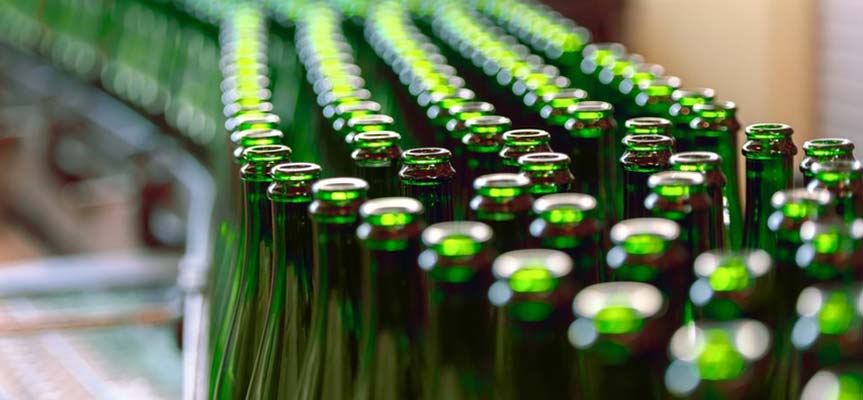
When it comes to beverages, packaging plays a vital role in shaping the consumer experience. Why is glass packaging popular for beverages? This is a question sought not only by ordinary consumers but also by business managers, startups in the food industry, and even researchers. The fact is that beverage glass bottles have long held a special position in the market. From classic soda bottles to glass packaging for natural juices, they have always inspired a sense of trust and authenticity in the minds of consumers.
On the other hand, in recent years, with increasing environmental concerns and greater attention to quality and health, glass packaging has emerged more than ever as a sustainable, healthy, and reliable option. Accordingly, researchers in this field have repeatedly emphasized the importance of beverage packaging and the role of glass as a strategic choice.
History of Glass Beverage Packaging
Glass is one of the oldest packaging materials in the world. Thousands of years ago, ancient civilizations used glass containers to store and preserve liquids. In the 19th century, with the rise of carbonated beverages, glass bottles quickly established their place in the market. This type of packaging not only helped preserve taste and quality but was also considered a symbol of luxury.
Despite the emergence of plastic and metal cans in the 20th century, glass has remained a popular packaging choice. Why? Because no material has ever been able to replicate the freshness and quality that glass packaging brings to beverages.
Advantages of Glass Beverage Packaging
One of the main reasons for the popularity of glass is its ability to preserve product quality. Unlike plastic or metal, glass does not chemically react with beverages. As a result, the taste and aroma of the drink remain unchanged.
For example, many people believe that drinks taste better in glass bottles. The answer is simple: because glass is an inert material and does not allow artificial flavors or unwanted odors to transfer into the beverage.
In addition, glass packaging for soda or juice not only has a more attractive appearance but also increases consumer confidence in the product’s quality and safety. In fact, glass bottles are often associated with concepts such as authenticity, luxury, and prestige.

The Impact of Glass Packaging on Beverage Quality
Because of its high impermeability, glass prevents oxygen from entering and keeps gases within the beverage from escaping. For this reason, carbonated drinks like soda or malt beverages retain their freshness and flavor for a longer period when stored in glass bottles.
Innovation centers, in their research, have shown that beverages stored in glass bottles, even after several months, maintain their quality and sensory properties better than those stored in plastic containers. For brands seeking differentiation in the market, this represents a serious competitive advantage.
Glass Packaging and the Environment
One common question among consumers is: Is glass packaging better for the environment? The answer is yes. Glass is 100% recyclable and can be reused repeatedly without any loss of quality. Compared to plastic—which takes hundreds of years to decompose—glass is a sustainable and responsible choice for the food industry.
Today, many startups active in the field of sustainable beverage packaging have chosen glass as a core part of their product development strategies. This approach not only improves brand image but also aligns with the values of environmentally conscious consumers.
Comparing Plastic and Glass Packaging
At first glance, plastic may seem more attractive due to its light weight and lower cost. However, a comparison between plastic and glass packaging reveals that glass has greater long-term advantages:
- Health: Plastic may release harmful chemicals into beverages, while glass is completely inert.
- Taste: Drinks in glass bottles always retain a purer, more authentic flavor.
- Environmental: Plastic is difficult to recycle, while glass can be reused indefinitely without losing quality.
- Brand positioning: Glass packaging is a symbol of quality and prestige.
The Importance of Glass Packaging in the Food Industry
For many companies, packaging is not just a cover; it is part of brand identity. Glass packaging for juices, sodas, or even energy drinks demonstrates a focus on quality and value for the customer.
For this reason, innovative brands emphasize glass packaging in their product development projects. Such an approach not only enhances consumer trust but also facilitates exports and entry into global markets.

Why Is Glass Packaging Better?
If we were to give a short answer to this question, we would say: glass is a combination of quality, health, beauty, and sustainability. These very qualities have ensured that even today, with the diversity of packaging materials available, beverage glass bottles remain a popular choice.
Conclusion
In the end, the answer to the question “Why is glass packaging popular for beverages?” can be summarized in three key points:
- Preserving the authentic taste and quality of the beverage
- Environmental compatibility and high recyclability
- Building brand value and increasing consumer trust
Therefore, for both business owners and consumers, choosing glass packaging is a smart decision. As innovation centers emphasize in their research, the future of the beverage industry cannot be envisioned without sustainable packaging.
Frequently Asked Questions
Why do drinks taste better in glass bottles?
Because glass is an inert material and does not transfer any additional taste or odor to the beverage.
Is glass packaging better for the environment?
Yes, glass is 100% recyclable and can be reused many times without losing quality.
Does glass preserve the health of beverages?
Yes, glass prevents harmful chemicals from transferring into the drink and keeps it safer.
What effect does glass packaging have on branding?
This type of packaging symbolizes quality, authenticity, and prestige, enhancing consumer trust.
Why do companies still use plastic packaging?
Because of lower cost and lighter weight, but in the long run, the disadvantages of plastic become more apparent.
