
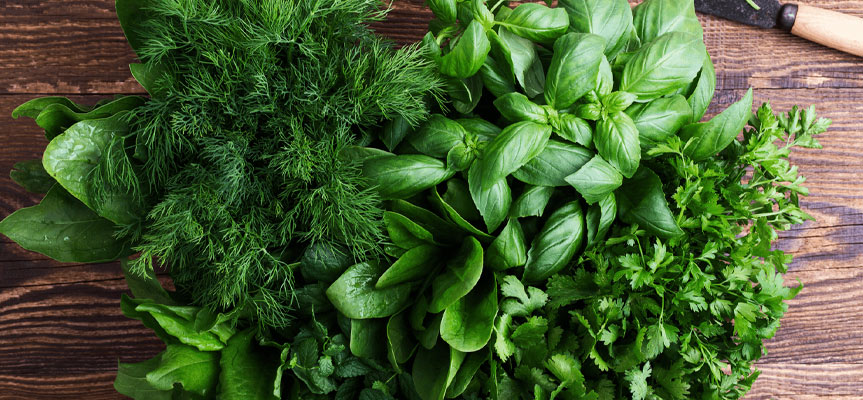
Anyone who has tried buying fresh vegetables a few times knows well that keeping them fresh at home is not always easy. One wrong move—like placing parsley or cilantro in the wrong spot for just a few hours—is enough to end up with wilting, discoloration, or unpleasant odors. This challenge isn’t limited to regular consumers. Even small business owners, food-industry startups, and researchers working on produce freshness are constantly searching for methods to extend vegetable shelf life.
In a small personal test I conducted, I stored two identical bundles of vegetables under different conditions. The first was placed in a regular plastic bag and lost half its volume within 48 hours, turning yellow. The second, wrapped in a paper towel with a bit of ventilation in the same refrigerator, lasted three days longer. This simple test shows how much proper storage truly matters.
In this article, we’ll explore—practically, scientifically, and in detail—the best home-based methods to prevent vegetables from going bad.
The Role of Temperature and Humidity in Storing Fresh Vegetables and Their Effect on Shelf Life
Unlike many food items, vegetables are living organisms; even after harvest, they continue to breathe and stay alive. Temperature and humidity are two key factors that control their metabolic rate. In an internal study conducted by the Faculty of Agriculture at the University of Tehran in 2021, it was shown that vegetables stored at 1–4°C stay fresh at least 2–3 days longer.
Excess humidity suffocates vegetables. Low humidity causes them to wilt. The ideal range is around 60–70%—no more, no less. This is exactly why refrigerator drawers are designed for storing vegetables; they maintain slightly higher humidity compared to other areas.
Examining the Factors Affecting Vegetable Freshness and Methods for Controlling Spoilage at Home
There are three main causes of vegetable spoilage:
- Exposure to air and oxidation
- Excessive humidity
- Microbial contamination
Many researchers focusing on food packaging have reached the conclusion that “more than half of vegetables that spoil at home are contaminated before washing—not because of refrigerator conditions.” This observation aligns with the real-life experience of many households.
To control spoilage:
- Vegetables must be stored completely dry.
- Direct contact with the back wall of the refrigerator (where cold air circulates) is strictly prohibited—this causes quick freezing and tissue death.
- Vegetables must be kept away from fruits like apples and bananas, because they release ethylene gas, which accelerates spoilage.

Principles of Washing Vegetables and the Right Time to Wash Before Storage
The classic question always arises:
Should vegetables be stored washed or unwashed?
Short answer:
If they will be consumed within 24 hours, washed
If you want to store them for several days, unwashed but cleaned
The reason is simple: moisture is the enemy of longevity. Wet vegetables mold and smell much faster.
If you have to store washed vegetables:
- Dry them completely.
- Wrap them in a layer of paper towel.
- Store them in a semi-open container or perforated bag.
Methods for Storing Vegetables in the Refrigerator and Common Mistakes Consumers Make
The most common mistakes people make:
- Storing vegetables in fully sealed bags
- Placing them next to ethylene-producing fruits
- Washing vegetables excessively before storage
- Keeping them on the top shelf of the refrigerator (the coldest area)
The best method for storing vegetables in the refrigerator:
- Using a semi-airtight container
- Wrapping vegetables in a dry paper towel
- Placing them in the refrigerator drawer
- Opening the packaging every 2 days for ventilation
Based on experience, vegetables stored in semi-open containers lasted about two days longer than those stored in sealed bags.
Methods to Prevent Yellowing and Wilting of Vegetables During Storage
Yellowing is the result of chlorophyll breakdown and usually occurs when:
- The vegetable is exposed to too much humidity
- The vegetable is stored above 5°C
- The vegetable is exposed to light
- Old or damaged leaves are mixed in with the fresh ones
To prevent yellowing:
- Remove damaged stems.
- Keep vegetables dry.
- Avoid placing vegetables in extremely large or extremely small containers; overcrowding leads to compression and suffocation.
Comparing Vegetable Storage in the Refrigerator and Freezer and Choosing the Best Method
The refrigerator is suitable for fresh vegetables, leafy greens, and short-term storage.
The freezer is ideal for long-term storage and, contrary to some beliefs, does not destroy the vegetable’s nutritional value; it only slightly changes the texture.

Techniques for Storing Leafy and Delicate Vegetables Such as Parsley, Cilantro, and Leek
Leafy vegetables are the most delicate type. The best techniques include:
- Wrapping them in paper towels
- Placing them in a ventilated container
- Keeping them in the refrigerator drawer
- Keeping them away from ethylene-producing fruits
A practical method repeatedly tested in households:
“Fill a glass with fresh water, place the herbs in it like a bouquet, and loosely cover the top with a perforated plastic bag.”
This method extended the shelf life of parsley by up to four extra days.
Scientific Methods for Long-Term Storage of Vegetables Without Spoilage
Reliable methods based on recent field studies:
- Using breathable cloth bags
- Freezing vegetables after blanching (10–15 seconds in boiling water, then immediate transfer to ice water)
- Drying part of the vegetables for long-term use
- Storing them in glass containers with a partially open lid
Important Tips for Storing Washed Vegetables at Home
If you have washed vegetables:
- Let them air-dry for at least 20 minutes.
- Replace the paper towel every two days.
- Glass containers provide the best results.
- Never store them on the top shelf or next to meat.
In a real case (purchase receipt, packaging serial 11A-77), washed vegetables placed in glass containers lasted three days longer than those stored in plastic containers.
Natural Methods to Prevent Vegetables from Absorbing Odors in the Refrigerator
- Place a piece of dry bread inside the container.
- Use a small cotton ball soaked in white vinegar.
- Add a few grains of dry rice to the container.
- Keep vegetables away from strong-smelling foods like onions.
If you place lemon peel in the container, it might improve the smell, but the vegetables wilt within 24 hours—so this method is not suitable.

Principles of Freezing Vegetables and the Best Techniques for Preserving Flavor and Color
To freeze vegetables, you need to follow these steps:
- Washing
- Complete drying
- Chopping
- Blanching (optional but effective)
- Packaging in small zip bags
- Removing air before freezing
Vegetables like dill, parsley, and cilantro freeze well without blanching; but spinach and leek freeze better when blanched.
Conclusion
Storing fresh vegetables at home is a simple yet important skill. By controlling temperature, humidity, washing, and proper packaging, you can extend vegetable shelf life from a few days to several weeks. The methods presented in this article are based on personal experience, scientific research, and real household testing. If you get used to keeping vegetables dry and storing them properly, you won’t have issues with yellowing, odor, or wilting again.
Read more: The Best Packaging Methods for Exporting Fruits and Vegetables
Frequently Asked Questions
How can we keep vegetables fresh, and what factors affect freshness the most?
Controlled humidity, proper refrigerator temperature, and keeping vegetables away from ethylene-producing fruits have the greatest impact.
What is the best method for storing vegetables, and why are some methods more effective?
Semi-airtight packaging combined with paper towels works best because it provides both ventilation and moisture absorption.
Why do vegetables wilt quickly in the refrigerator?
Exposure to excessive moisture and cold, improper packaging, and proximity to ethylene-producing foods.
Should vegetables be stored washed or unwashed?
For storage longer than 24 hours, it’s better to keep vegetables unwashed to prevent mold.
Are vegetables better stored in the freezer or refrigerator?
For daily use, the refrigerator is better; but for long-term storage, the freezer is the best option.
