
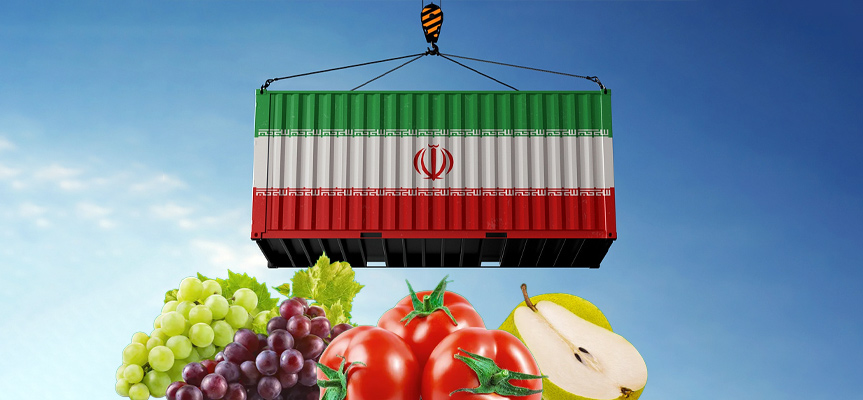
Introduction to Export Opportunities for Iran’s Organic Products
In today’s world, where health and environmental sustainability have become primary concerns for consumers, organic products are no longer a luxury choice but an integral part of people’s lifestyles around the globe. The growing awareness of the harms of chemical pesticides and the increasing demand for natural products have caused the global organic market to expand rapidly.
Amid this trend, Iran, with its unique natural and climatic potential, holds a special position among countries capable of exporting organic products. From saffron and dates to honey, pistachios, and medicinal herbs, many Iranian agricultural products thrive in conditions ideal for organic cultivation.
However, Iran’s organic export sector has not yet reached full maturity. It still requires precise planning, government support, technological innovation, and coordination among active institutions. This article explores the opportunities, challenges, target markets, and development paths for Iran’s organic export industry.
The Growth Trend of Global Demand for Organic Products
The global organic market has experienced remarkable growth over the past decade. According to IFOAM (International Federation of Organic Agriculture Movements), the global organic market value in 2023 exceeded $135 billion, and it is projected to reach over $250 billion by 2030.
European countries such as Germany, France, and Italy are among the largest consumers of organic products. In the United States, around 80% of households include at least one type of organic product in their shopping basket. In Asia, countries like Japan, South Korea, and China are rapidly expanding their organic markets.
Growing concerns about food safety, climate change, and a preference for local, additive-free foods have fueled strong global demand for organic goods. Within this dynamic environment, export opportunities for Iran’s organic products are expanding significantly.

Iran’s Position in the Global Organic Market
With over 80 million hectares of agricultural land, Iran is considered one of the most promising countries for organic production. Due to diverse climates and fertile soils across different regions, the country can produce various crops without relying on chemical pesticides.
According to the Iranian Ministry of Agriculture Jihad, more than 700,000 hectares of land have recently been converted to organic farming. Organic products such as saffron, dates, pistachios, honey, medicinal herbs, and pomegranates are well-known in global markets, with many foreign buyers preferring to import directly from Iran.
Nevertheless, Iran’s organic exports still account for a small share of its total agricultural exports. Weak branding, a lack of international certifications, and challenges related to packaging and marketing are among the main reasons Iran lags behind its competitors in the global market.
Iranian Organic Products and Their Competitive Advantages in International Markets
Iranian agricultural products stand out not only for their flavor and quality but also for their authenticity and traditional production methods. The competitive advantages of Iran’s organic products can be analyzed in several areas:
- Diverse Climate: From the central deserts to the Zagros and Alborz mountains, Iran has ideal conditions for growing a wide range of crops without chemical inputs.
- Low Use of Chemicals: Many Iranian farmers cultivate traditionally and naturally, making the process of obtaining organic certification easier.
- Unique and Rare Products: Iranian saffron, pistachios, dates, and natural honey are among the most recognized global brands.
- Lower Production Costs: Due to lower labor costs, Iran can compete on price with major producers like Spain and Turkey.
Therefore, if export infrastructure is strengthened, Iran can capture a significant share of the global organic market.

Target Markets for Iran’s Organic Exports in Europe and Asia
Europe remains one of the main destinations for Iran’s organic exports. Countries like Germany, France, Sweden, and the Netherlands spend millions of dollars annually on importing organic goods. These markets show particular interest in Iranian dates, pistachios, saffron, and medicinal herbs.
In Asia, China and Japan have recently introduced incentive policies for importing organic products. India, the UAE, and Malaysia also represent growing markets and promising export destinations for Iranian producers.
However, success in these markets requires a deep understanding of consumer preferences and market needs. For example, the European market is sensitive to EU Organic certification, while East Asian markets focus more on authenticity and competitive pricing.
How to Export Iranian Organic Products to Europe and Its International Requirements
To successfully enter European markets, compliance with specific international standards is essential. Products must carry valid organic certifications such as EU Organic Certification or USDA Organic.
The export process includes several key steps:
- Obtaining a valid organic certificate from an internationally recognized institution
- Conducting quality and residue testing for pesticides
- Preparing appropriate, multilingual packaging and accurate labeling
- Registering the product in the import systems of destination countries
One of the main challenges in this process is the high cost of obtaining international certifications. In this area, the Grownida Innovation Center plays an active supporting role by providing consultation, facilitating certification procedures, and connecting exporters with international organizations.
Export Guide for Iranian Organic Product Producers
For producers aiming to enter global markets, several essential principles must be followed:
- Market Research: Analyze target markets in Europe, Asia, or Arab countries before taking any steps.
- Obtain Organic Certification: Without formal certification, entry into international markets is almost impossible.
- Sustainable Production: Maintaining consistent quality across multiple harvest seasons is vital to gain foreign buyers’ trust.
- Professional Packaging and Branding: The product’s appearance is just as important as its quality.
- Collaborate with Support Centers: Work with organizations that can facilitate the export process.
The Role of Brands and Innovation Centers like Grownida in Supporting Organic Exports
One of the key weaknesses in Iran’s organic export market is the lack of effective support networks. In recent years, innovation centers have emerged with the mission of empowering producers and exporters.
The Grownida Innovation Center has been particularly instrumental in this regard. By connecting farmers, packaging companies, exporters, and international organizations, it strives to strengthen every link in the organic value chain. It also plays an important role in training on export standards and introducing modern agricultural technologies to improve product quality.

The Future of Iran’s Organic Exports and Paths Toward Sustainable Development
The world is moving toward sustainable production and consumption. If Iran leverages this opportunity wisely, it can become one of the region’s leading exporters.
It is projected that with increased investment in organic agriculture, the development of digital traceability systems, and improvements in the domestic certification framework, the value of Iran’s organic exports could multiply by 2030.
Expanding cooperation with neighboring countries, joining free trade agreements, and attracting foreign investment are strategic paths that could secure the future of Iran’s organic export industry.
Conclusion
Export opportunities for Iran’s organic products are broader than ever before. With the rapid global market expansion and rising health awareness, Iran has the potential to become a hub for organic production and export.
Success, however, depends on adherence to international standards, enhanced branding, and effective use of platforms like the Grownida Innovation Center.
If you are a producer, entrepreneur, or researcher in this field, now is the time to act—the world is waiting for the authentic and natural products of Iran.
Frequently Asked Questions (FAQ)
How can one start exporting Iran’s organic products?
By obtaining organic certification, researching target markets, and collaborating with specialized centers such as the Grownida Innovation Center.
Which markets are suitable for exporting Iran’s organic products?
Europe, East Asia, and Arab countries are among the most promising markets for Iran’s organic goods.
What are the benefits of exporting Iran’s organic products?
Higher income for farmers, job creation, national brand enhancement, and foreign currency inflow.
What obstacles exist in exporting Iran’s organic products?
Lack of valid certifications, high transportation costs, and weaknesses in packaging and marketing.
In which countries are Iranian organic products most popular?
Currently, Germany, France, Japan, China, and the UAE have the highest demand for Iranian organic goods.
