
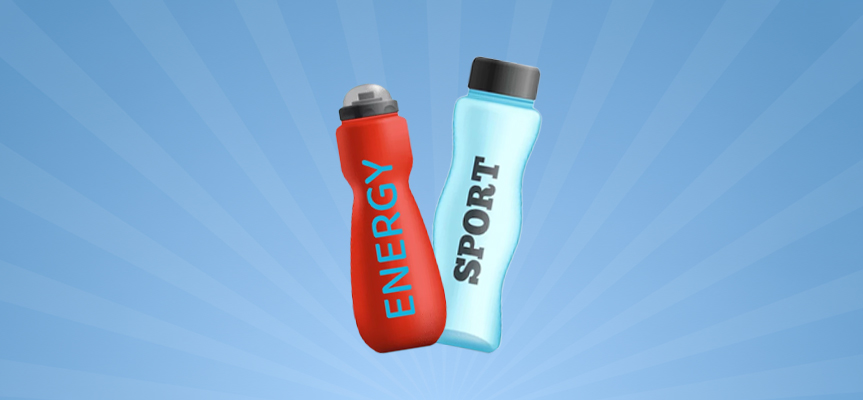
Fundamental Differences Between Energy Drinks and Sports Drinks: A Guide for Informed Choice
These days, everyone is seeking fitness and health, which has led to a variety of beverages with different claims being introduced to the market. On one hand, professional athletes, for whom the difference between victory and defeat may be decided in mere moments, and on the other hand, ordinary citizens burdened by daily responsibilities, are all looking for solutions to meet their energy needs. This demand has resulted in the widespread availability of these two products, which often look similar but serve very different purposes.
Sports Drinks
Sports drinks have a specific goal: to replace what the body loses during exercise. These drinks are not designed to provide instant energy but to restore balance to the body. Their sugar content rarely exceeds 8%, while minerals such as sodium and potassium are abundant. Another type, known as a “sport bar,” has a dual nature; it is both a light snack and a drink, containing a balanced mix of carbohydrates, protein, and micronutrients.
Unfortunately, access to authentic sports drinks in our country is quite limited. Products on store shelves with misleading labels often lack the necessary features. Only specialized professional sports centers may have access to such beverages.
The Nature of Energy Drinks
Energy drinks, produced to stimulate the nervous system quickly, contain a combination of stimulants. Caffeine is the main component, alongside taurine, an amino acid, forming the core of the formulation. B vitamins are added to accelerate metabolism, and significant amounts of sugar provide immediate fuel.

Products Designed for Athletes
In contrast, drinks designed for athletes have a different approach. Their primary goal is to restore what has been lost through intense activity and sweating. Electrolytes such as sodium, potassium, and magnesium, along with simple carbohydrates to replenish glycogen stores, are the main components. Water, of course, is the most important element for rehydration.
Key Differences
- The primary purpose: one is for immediate energy, the other for gradual restoration.
- Caffeine content: much higher in energy drinks.
- Sweetness and sugar content: more pronounced in energy drinks.
- Mineral concentration: higher in sports drinks.
- Timing of consumption: energy drinks before activity, sports drinks afterward.
Benefits of Each Group
Energy drinks can enhance mental focus, improve short-term physical performance, and increase reaction speed. In contrast, sports drinks are effective in restoring energy stores, replenishing lost fluids, reducing post-exercise fatigue, and aiding muscle recovery.
Application in Different Sports
For explosive and short-duration activities, such as sprints, weightlifting, or martial arts, energy drinks can be beneficial. However, for endurance and long-duration sports, frequent consumption is not recommended.
Choosing the Right Drink
Deciding between the two depends on the actual need. For improving focus and alertness, energy drinks are more suitable, whereas for body recovery after physical exertion, sports drinks are preferable.
Timing of Consumption
Energy drinks can be useful before starting activity. During exercise, sports drinks help prevent dehydration. After exercise, sports drinks are recommended for recovery.
Differences in Formulation
Energy drinks are based on stimulants, while sports drinks are primarily water-based with mineral salts and simple sugars. This fundamental distinction drives their different effects.

Considerations for Strength Training
In bodybuilding, energy drinks can enhance focus and strength during workouts. However, excessive consumption may lead to side effects, such as increased heart rate.
Recovery After Exercise
Restoring muscles and replenishing lost fluids is the primary function of sports drinks. Proper use helps improve performance and reduces the risk of injury.
Carbonated vs. Natural Products
Energy drinks are often carbonated and sweet, while sports drinks can be natural and non-carbonated. The choice depends on personal preference and physical needs.
Safety Recommendations
Excessive consumption of energy drinks may lead to anxiety and sleep disturbances. Sports drinks should be consumed according to activity level. Individuals with a history of heart problems or high blood pressure should exercise extra caution.
Special Considerations for Professional Athletes
Elite athletes need to be more careful in selecting their drinks. Proper and timely consumption of sports drinks enhances performance, while inappropriate use of energy drinks may lead to premature fatigue.
Optimal Choice for Intense Workouts
For short and high-intensity activities, a product with a balanced amount of caffeine and B vitamins, without excessive sugar, is recommended.
Healthy Products for Athletes
An ideal sports drink contains essential electrolytes, sufficient water, and minimal added sugar. This combination supports effective recovery.

The Link Between Sport and Energy
There is a close relationship between the type of physical activity and the beverage consumed. Choosing correctly can have a significant impact on performance and focus.
Conclusion
Ultimately, understanding the distinctions between these two groups of products is the key to making the right choice. Each is designed for specific conditions, and inappropriate use can be not only ineffective but harmful. Athletes and active individuals should make informed decisions based on the type of activity, intensity, and personal needs. Following these guidelines ensures maximum benefit from these products while maintaining long-term health.
Frequently Asked Questions
What is the difference between an energy drink and a sports drink?
The main difference lies in purpose and ingredients. Energy drinks are designed for focus and immediate energy, while sports drinks are designed for body recovery.
For which sports are energy drinks suitable?
Short, high-intensity activities such as sprinting, weightlifting, and martial arts.
Which is better, a sports drink or an energy drink?
It depends on the goal. For post-workout recovery, a sports drink is better; for boosting energy, an energy drink is suitable.
Should energy drinks be consumed before or after exercise?
Before exercise for energy and focus, and sports drinks should be used during and after exercise.
Are sports drinks helpful for reducing fatigue?
Yes, sports drinks help reduce fatigue and improve performance by restoring glycogen and electrolytes.
