
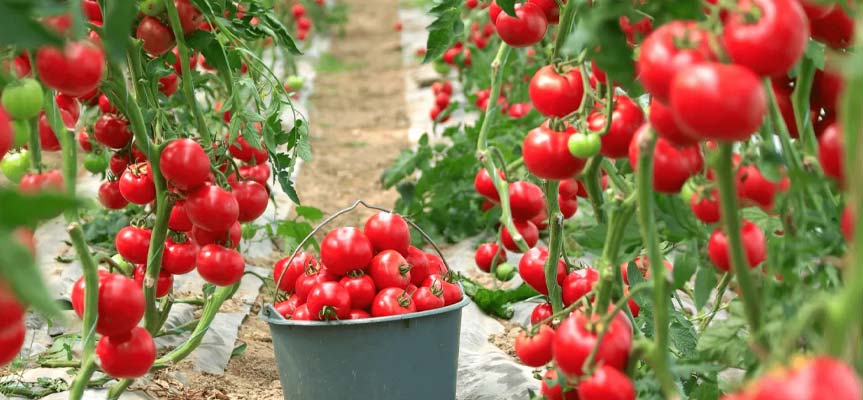
Greenhouse cultivation is one of the most important modern agricultural methods in Iran, which over the past two decades has played a significant role in food security, employment generation, and agricultural exports. Greenhouses, by controlling environmental conditions such as temperature, light, humidity, and water usage, enable the production of diverse crops throughout the year. This feature has made investment in greenhouse cultivation one of the most profitable areas of agriculture in Iran.
In this article, we examine the most profitable greenhouse products in Iran, explore their advantages and challenges, and discuss why investing in greenhouses—especially with the support of centers like the Grownida Innovation Center—can lead to a bright future for Iranian agriculture.
What is Greenhouse Cultivation?
Greenhouse products result from cultivation in controlled environments known as greenhouses. Essentially, greenhouse cultivation refers to the production of various agricultural products, including vegetables, fruits, and even medicinal plants, in spaces where environmental conditions are artificially managed and regulated.
The Importance of Greenhouse Cultivation in Iran
Due to Iran’s diverse climate and limited water resources, developing modern agricultural methods is essential. Greenhouse cultivation, as one of these methods, allows farmers to produce high-quality crops while using less water. Moreover, greenhouse cultivation, due to its relative independence from climatic conditions, contributes to market stability and the country’s food security.

Economic Benefits of Investing in Greenhouses
Greenhouse cultivation offers numerous opportunities for farmers. Its most important advantage is increased productivity and improved product quality. This method allows crops to be grown outside their natural growing seasons, enabling the market introduction of “early” products.
Other advantages include:
- The ability to harvest in shorter cycles
- Optimal use of land with smaller space requirements and the potential to utilize vertical space
- Reduced risk from adverse weather conditions such as heavy rain or sudden cold
- Access to healthy, high-quality products due to growth in a protected environment
Thus, greenhouse cultivation is a smart response to resource limitations and climate changes and can play a significant role in sustainable agricultural development.
Criteria for Selecting Profitable Greenhouse Products
When choosing a profitable greenhouse product, attention should be given to:
- Domestic and international market demand
- Production costs and water consumption
- Growth and harvest time
- Shelf life for transportation and storage
- Packaging and export potential
Tomatoes: The King of Greenhouse Products
Tomatoes are the most important greenhouse product in Iran, with the largest cultivated area and highest demand. In addition to domestic consumption, they have significant exports to neighboring countries. Given their stable prices and high household consumption, tomatoes remain one of the most profitable choices.
Cucumbers: A High-Demand, Profitable Crop
Alongside tomatoes, cucumbers are among the most consumed vegetables in Iran. Their short growth cycle, relatively low maintenance requirements, and constant demand make cucumbers one of the most profitable greenhouse products.

Bell Peppers: A Choice for Domestic and Export Markets
Colored bell peppers (red, yellow, orange) are popular both in the domestic market and in Arab and European countries. Due to their high nutritional value and attractive appearance, this product holds a special place in the export of Iranian greenhouse products.
Strawberries: The Red Gold of Greenhouses
Strawberries are among the most profitable greenhouse products due to their high price and extensive use in the food industry. Greenhouse cultivation allows farmers to offer higher-quality, tastier, and longer-lasting strawberries.
Leafy Vegetables: High Diversity and Constant Market
Vegetables such as basil, parsley, coriander, lettuce, and spinach have a constant market due to daily consumption in Iranian households. Cultivating these crops in greenhouses is popular not only because of high profitability but also due to their lower space requirements.
Medicinal Plants: A Promising Investment
The global market for medicinal plants is growing rapidly. Products such as aloe vera, peppermint, and rosemary have the potential to become some of the most profitable greenhouse crops in Iran.
Greenhouse Saffron: Combining Tradition and Technology
Saffron, known as Iran’s red gold, is traditionally cultivated, but greenhouse methods allow farmers to produce high-quality saffron under controlled conditions with lower water consumption.
Mushrooms: Fast-Growing, High-Yield Products
Cultivating edible mushrooms is one of the simplest and most profitable greenhouse ventures. Their short growth cycle, limited space requirements, and wide consumer market make mushrooms among the high-yield greenhouse products.

Ornamental Flowers: Beauty That Generates Profit
Iran has high potential for ornamental flower production. Specialized greenhouses in cities such as Mahallat and Isfahan have been able to supply both domestic markets and export flowers by producing high-quality blooms.
Iranian Greenhouse Products for Export
Iran has significant potential for exporting greenhouse products. Tomatoes, bell peppers, strawberries, and ornamental flowers are among the high-demand products in foreign markets.
Low-Cost, Highly Profitable Greenhouse Plants
Besides high-demand products, low-cost plants such as aromatic and medicinal herbs can also be highly profitable. Due to their short growth cycles and constant market demand, these products are ideal options for new investors.
The Future of Smart Greenhouses in Iran
With technological advancements, smart greenhouses equipped with remote control systems and artificial intelligence will transform the future of agriculture in Iran.
The Role of Innovation and Centers Like Grownida in Developing Greenhouse Agriculture
The Grownida Innovation Center plays a key role in developing modern agriculture and greenhouse cultivation by offering consulting, training, and support for startups. With the aim of creating innovative solutions to increase productivity and profitability, the Grownida brand has secured a special position in the modern agricultural industry.
Challenges and Risks of Greenhouse Cultivation
Although greenhouse cultivation has many benefits, challenges such as high initial costs, the need for expertise, and market delivery issues also exist. Proper management of these challenges can lead to success.
Summary and Conclusion
Greenhouse cultivation in Iran presents an unparalleled opportunity for farmers and investors. Correct product selection, the use of modern technologies, and leveraging services of innovation centers like Grownida can ensure sustainable profitability and a bright future for this sector.
Frequently Asked Questions
What is the most profitable greenhouse product in Iran?
Tomatoes and cucumbers, due to high demand, are among the most profitable greenhouse products in Iran.
Is greenhouse cultivation cost-effective?
Yes, with proper management and suitable product selection, a return on investment can be achieved in a short period.
What are the best greenhouse products for export?
Tomatoes, colored bell peppers, strawberries, and ornamental flowers.
Is cultivating medicinal plants in greenhouses profitable?
Yes, due to growing domestic and global demand, medicinal plants are considered the most promising greenhouse products.
How can one succeed in greenhouse cultivation?
Choosing the right product, scientific management, and using modern technologies are key success factors.
