
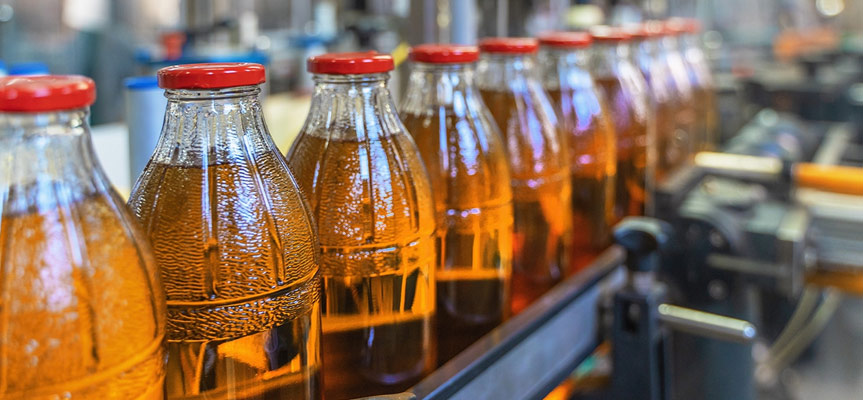
The beverage industry has undergone significant transformations over the past two decades. While in the past the primary focus was only on producing simple beverages such as carbonated soft drinks or classic fruit juices, today we face a combination of advanced technologies, scientific research, and evolving market demands. Consumers now seek beverages that, in addition to a pleasant taste, offer desirable sensory characteristics, higher nutritional value, and positive health effects.
This shift in perspective has brought the most widely used modern technologies in the beverage industry into sharper focus than ever before. Large companies and creative startups each play a role in shaping the future of this industry, and centers like the Grownida Innovation Center, with a focus on research and commercialization of innovative products, play a key role in this process.
The Role of Modern Technologies in Beverage Stability
One of the main challenges in the beverage industry is maintaining product quality and stability over time. Carbon stabilizers are critical for carbonated drinks because consumers expect the flavor and the desired carbonated sensation to remain intact when opening a bottle or can. If the carbonation dissipates too quickly, the consumer experience diminishes, and customer trust is lost.
On the other hand, edible color stabilizers play an important role in creating an attractive appearance. Natural and approved edible colors for beverages have today replaced chemical dyes. This is not only important for consumer health but also enables brands to distinguish themselves from competitors through transparency and health-oriented branding.
Natural technologies for increasing beverage shelf life have also become a major trend. For example, many producers now use plant-based compounds or innovative processing methods instead of artificial preservatives. These technologies not only extend product longevity but also align with contemporary consumer preferences for healthier choices.
Alternative Proteins in the Beverage Industry
The introduction of alternative proteins into the beverage industry has been one of the most notable developments in recent years. Plant proteins, hydrolyzed proteins, mycoproteins, and fungal proteins have each carved out a unique position.
In particular, the use of fungal proteins in beverages and mycoproteins in health-focused drinks responds to the growing trends of vegetarianism, veganism, and interest in sustainable products. These compounds, besides offering high nutritional value, also help improve the sensory characteristics of carbonated beverages.
Benefits of alternative proteins include:
- Reducing dependency on animal-based sources and supporting environmental sustainability
- Enhancing the nutritional value of beverages
- Catering to the needs of specific consumer groups, such as athletes or vegetarians
From this perspective, brands that adopt these technologies early have a higher chance of attracting informed and loyal consumers.

Five Leading and Influential Technologies in the Beverage Industry
Rising consumer demand for higher-quality products and pressures from the supply chain have driven producers toward adopting modern technologies. The following section examines five leading technologies that have significantly influenced and transformed the beverage industry:
-
Automation in Production and Management
Automation has become one of the main pillars of the beverage industry. Wider access to robotics and labor shortages (with over 4 million job vacancies in the U.S. food and beverage sector alone) have heightened the importance of this technology.
Automation not only increases speed and efficiency on production lines but also reduces errors and improves performance in administrative departments. As a result, factories can achieve higher productivity with fewer human resources.
-
Artificial Intelligence and Data Analysis
The digitalization of processes has provided producers with a vast amount of data. AI algorithms in the beverage industry process this data and turn it into actionable insights. The main advantages of this technology are:
- Identifying weaknesses in production and optimizing processes
- Predicting market trends and consumer behavior for faster and more accurate decision-making
These capabilities enable companies to stay one step ahead of competitors.
-
Internet of Things (IoT) and Supply Chain Management
IoT, through the smart connection of devices, allows for more precise data collection and analysis. Its main applications in the beverage industry include:
- Real-time tracking of products throughout the supply chain
- Monitoring environmental conditions such as temperature and humidity
- Issuing alerts in case of problems and predicting equipment maintenance needs
These benefits improve the final product quality and reduce costs associated with equipment failures.
-
Biotechnology and Raw Material Enhancement
Biotechnology plays a crucial role in optimizing raw materials in the beverage industry. From genetic editing in crops to producing healthier and more environmentally compatible materials, this technology helps reduce costs and improve quality.
For example, genetically modified plants require less water and are more resistant to pests. Additionally, the use of specific enzymes in biotechnological processes allows for rapid detection of contamination and prevents the distribution of substandard products.
-
Renewable Energy and Environmental Sustainability
With the growing importance of sustainability in the beverage industry, many factories have shifted toward renewable energy sources such as solar and wind. This change not only addresses consumer environmental concerns but is also economically viable. Reducing long-term energy costs and enhancing brand value are additional benefits of using clean energy in the industry.

Improving Sensory Qualities and Beverage Quality
Sensory characteristics of carbonated beverages, such as taste, aroma, and mouthfeel, determine consumer acceptance. Modern technologies have focused particularly on enhancing these qualities.
Improving sensory qualities of carbonated beverages is achieved through the scientific combination of natural technologies, reducing artificial flavors, and creating a more natural experience. For example, using plant and fruit extracts instead of artificial flavorings not only promotes health but also imparts a sense of authenticity to the product.
Natural technologies also play a significant role in extending beverage shelf life. Previously, quality degradation shortly after production was common; today, modern technologies preserve taste and quality even after months.
Innovation in carbonated beverage formulation is another key pathway. Producers combine biotechnological and chemical methods to deliver beverages with minimal sugar but maximum flavor appeal. This approach has gained popularity especially among young consumers and health-conscious individuals.
Sustainable Development in the Beverage Industry
Sustainable development in the beverage industry is not merely a marketing slogan but has become a necessity. Reducing sodium in food and beverages is one of the most critical public health issues. Research shows that high sodium intake is directly linked to elevated blood pressure, prompting companies to adopt plant-based salts and similar alternatives.
Modern technologies in malt beverage production also illustrate the move toward sustainability. Producers aim to deliver products with long shelf life, desirable taste, and lower energy consumption through innovative processing methods.
Moreover, managing water and energy resources in beverage production facilities is crucial. In a world with limited natural resources, any savings not only reduce costs but also enhance brand credibility among consumers.
The Role of Startups in the Beverage Industry
In recent years, startups producing innovative beverages have introduced creative ideas to the market. These startups generally respond faster than large companies to consumer needs and, leveraging modern technologies, offer distinctive products.
Startups developing natural beverage colors are an example of this trend. By utilizing scientific research, they have provided healthy and sustainable alternatives to artificial colors.
Product development consulting is another area where these startups excel. Offering scientific solutions to improve quality, reduce costs, and increase product appeal helps brands gain a stronger position in competitive markets.
The Grownida Innovation Center is a successful example in this field. By focusing on research and development, the center helps startups and beverage companies accelerate the innovation process. Collaboration between industry and research in such centers ensures a brighter future for the beverage market.

The Future of the Beverage Industry and the Innovation Path
Global trends indicate that the future of the beverage industry will be influenced by several key factors:
- Greater use of biotechnology to produce healthier compounds
- Implementation of artificial intelligence for consumer data analysis and product design
- Rising demand for low-sugar and low-sodium beverages
- Growth of the protein and functional beverage market
Export opportunities are also crucial. Countries capable of producing healthy and sustainable beverages have higher chances of entering international markets. In this context, branding plays a vital role. Brands that successfully convey health, transparency, and sustainability values will remain memorable to global consumers.
Read more: Artificial Intelligence in Smart Agriculture and the Food Supply Chain
Conclusion
The beverage industry is moving beyond its traditional boundaries. Carbon stabilizers, natural edible colors, alternative proteins, reduced sodium, and innovative formulations are all part of the most widely used modern technologies shaping the future of this market.
Startups and centers like the Grownida Innovation Center have shown that collaboration between research and industry can streamline development. For companies, researchers, and even informed consumers, these trends offer the opportunity to enjoy healthier, more sustainable, and higher-quality products.
Frequently Asked Questions
What are the most widely used modern technologies in the beverage industry?
These include stabilizers, natural colors, alternative proteins, and formulation innovations.
How is carbonation stability maintained in beverages?
Through the use of carbon stabilizers and modern packaging methods.
Why is color stabilizer important in beverages?
Because it preserves the attractive appearance of the product and impacts the consumer experience.
Which natural technologies are suitable for beverages?
Technologies such as plant extracts, natural colors, and plant-based preservatives.
How do new innovations in the beverage industry affect health?
They reduce sugar and sodium content and increase the nutritional value of products.
