
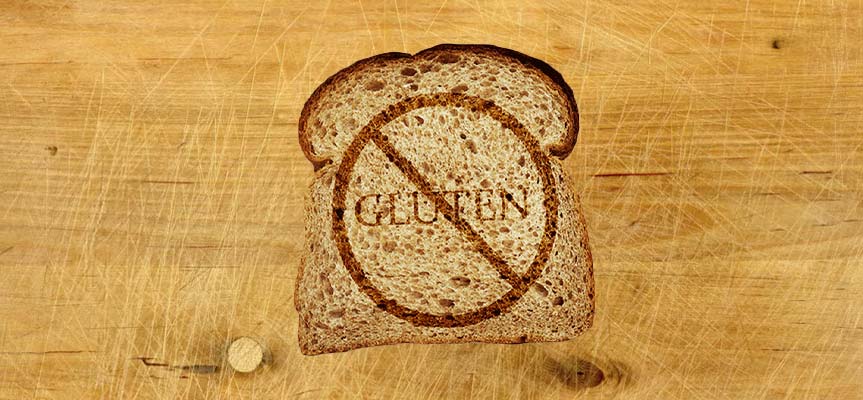
In recent years, phrases like “gluten-free diet” and “gluten-free foods” have become some of the most searched topics among the public. Once, it was thought that only people with celiac disease needed to avoid gluten, but now we see that even ordinary consumers are turning toward purchasing and consuming gluten-free products. This raises the question: why have gluten-free products become so popular?
Increasing public awareness of digestive health, media influence, the growth of health-focused brands, and lifestyle changes are among the factors driving this trend. In this article, we analytically examine the reasons for this popularity, the benefits, the challenges, and the scientific realities behind it.
What Is Gluten, and Why Do Some People Avoid It?
Gluten is a type of protein found in grains such as wheat, barley, and rye. It’s responsible for the elasticity and cohesiveness of dough, but in some people’s bodies, it causes problems. Individuals with celiac disease or gluten sensitivity experience intestinal inflammation and digestive issues when consuming it.
However, the wave of popularity for gluten-free diets is not limited to celiac patients. Today, many people believe that cutting out gluten can make the body feel lighter, reduce bloating, and improve concentration. Although these beliefs do not always have solid scientific backing, they are one of the main reasons behind the rapid global growth of gluten-free products.

Why Have Gluten-Free Products Become So Popular?
There are many reasons behind this popularity—some psychological and cultural, some driven by food marketing, and others by real changes in lifestyle.
- Increased Nutritional Awareness:
People today study food ingredients more than ever before. They are looking for options that give them a greater sense of control over their health. - Smart Brand Marketing:
Food companies, leveraging health-focused slogans, have presented gluten-free products as “healthier” choices. - Rise in Digestive Disorders:
Increasing reports of digestive and food sensitivity issues have led many people—even without medical diagnosis—to choose gluten-free foods. - Influence of Celebrities and Social Media:
The endorsement of “clean eating” and specific diets by public figures has amplified this trend.
Health Benefits of Consuming Gluten-Free Products
While not everyone needs to eliminate gluten, in some cases this diet can indeed be beneficial. The advantages of gluten-free products include:
- Improved intestinal function in sensitive individuals
- Reduced bloating and post-meal heaviness
- Weight control (especially when replaced with whole-grain gluten-free foods)
- Reduced inflammation in celiac patients
- Increased energy and focus in some consumers
However, it’s important to note that cutting out gluten entirely without nutritional supervision can lead to deficiencies in fiber and B vitamins. As Dr. Elisa Bloom of the American Nutrition Association points out, “A gluten-free diet is not necessarily healthier unless proper substitutes are chosen.”
The Effect of Gluten-Free Products on Digestion and Immunity
One of the main reasons behind the rising demand for these products is improved digestive experience. Many people without gluten sensitivity report feeling lighter or less bloated after eliminating gluten. Research published in the Nutrients journal (2021) indicates that even in non-celiac individuals, excessive gluten consumption can mildly irritate the intestinal lining.
However, it’s important to remember that gluten-free products are not always perfect replacements for traditional foods. Many contain more sugar and less fiber to maintain desirable taste and texture. Therefore, conscious choice and ingredient review before purchase are essential.
Are Gluten-Free Products Really Healthier?
This is one of the hottest debates in the world of nutrition: are gluten-free products actually healthier? The short answer is—not always. While removing gluten is essential for some people, overall dietary balance is more important for general health than the presence or absence of a single component.
Dr. Peter Gibson of Monash University (Australia) explains in a scientific article that many people who believe they are gluten-sensitive may actually react to other wheat compounds such as fructans. In other words, gluten might not be the main culprit.
Thus, gluten-free popularity doesn’t necessarily equate to scientific superiority—it reflects society’s desire for a greater sense of control over nutrition.

Iranian Gluten-Free Products and Domestic Market Growth
In Iran, too, the gluten-free product wave is expanding. Local brands, recognizing new consumer demand, have started producing various types of gluten-free bread, biscuits, and pasta.
As public awareness grows, specialized health and diet-focused stores have allocated dedicated sections for gluten-free goods.
According to data from Iran’s Trade Statistics Center, imports of raw materials for gluten-free production have increased by 28% in recent years—showing that the domestic market is moving in line with global trends toward mindful nutrition.
Problems and Disadvantages of a Gluten-Free Diet
Despite its popularity, the gluten-free diet has its critics. The main challenges include:
- Higher cost: Gluten-free products are generally more expensive due to specialized ingredients.
- Reduced fiber intake: Cutting out whole-grain bread reduces fiber and B vitamin intake.
- Higher sugar and fat levels: Some brands increase sugar or fat content to enhance flavor.
- Difficult social adherence: Finding gluten-free options at parties or restaurants can be challenging.
For these reasons, experts recommend that only those with medical necessity follow a strict gluten-free diet.

A Guide to Choosing Gluten-Free Products
For new consumers, selecting the right product can be tricky. Here are some practical tips:
- Read labels carefully: Look for “gluten-free” and standard certification marks.
- Check ingredients: Some additives or sauces may contain hidden gluten.
- Prefer reputable local brands: New Iranian producers are creating high-quality products that rival imported ones.
- Pay attention to nutrition balance: Evaluate fiber, protein, and sugar content to maintain dietary balance.
Gluten-Free Recipes for Home Enthusiasts
Those who enjoy cooking at home have plenty of gluten-free options. Rice, corn, tapioca, and almond flours are popular substitutes for wheat flour.
A simple example is gluten-free bread made with rice flour, eggs, olive oil, and a bit of baking powder—resulting in a light, crisp loaf ideal for breakfast or snacks.
The Role of Brands and Innovation in Boosting Gluten-Free Popularity
One of the main forces behind this trend is investment by food companies and innovation centers. Brands have developed new formulations and improved ingredient quality to offer healthier, more natural products tailored to local tastes.
Innovation in flavor, packaging, and marketing has played a key role in winning consumer trust. Today, many Iranian food startups, inspired by global models, are entering this space and accelerating the development of gluten-free products.
Conclusion
The popularity of gluten-free products is no longer just a dietary fad—it’s part of a broader movement toward more conscious living in today’s world. From medical reasons to cultural tendencies and smart marketing, multiple factors have converged to make these products a regular part of family food baskets.
However, informed choice, ingredient awareness, and an honest understanding of one’s own body are the keys to gaining real benefits from this diet. For those seeking better health, gluten-free products can be valuable—provided they are consumed wisely and in balance.
Frequently Asked Questions
Why gluten-free?
Because in some individuals, gluten causes intestinal irritation and digestive problems, and removing it can improve bodily function.
What are the benefits of gluten-free products?
Improved intestinal performance, reduced bloating, and, in some cases, better weight control.
Is a gluten-free diet suitable for everyone?
No. It’s only necessary for individuals with intolerance or sensitivity.
Are gluten-free products more expensive?
Yes, they usually cost more due to specialized formulations and ingredients.
How can I identify gluten-free products?
Check the “gluten-free” label and ingredient list on the packaging carefully.
